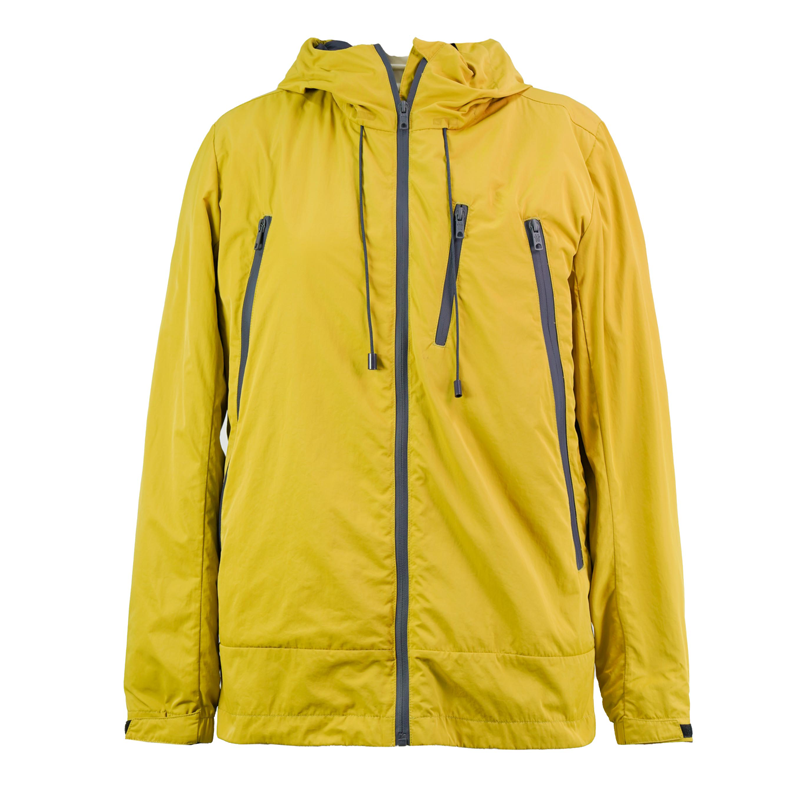
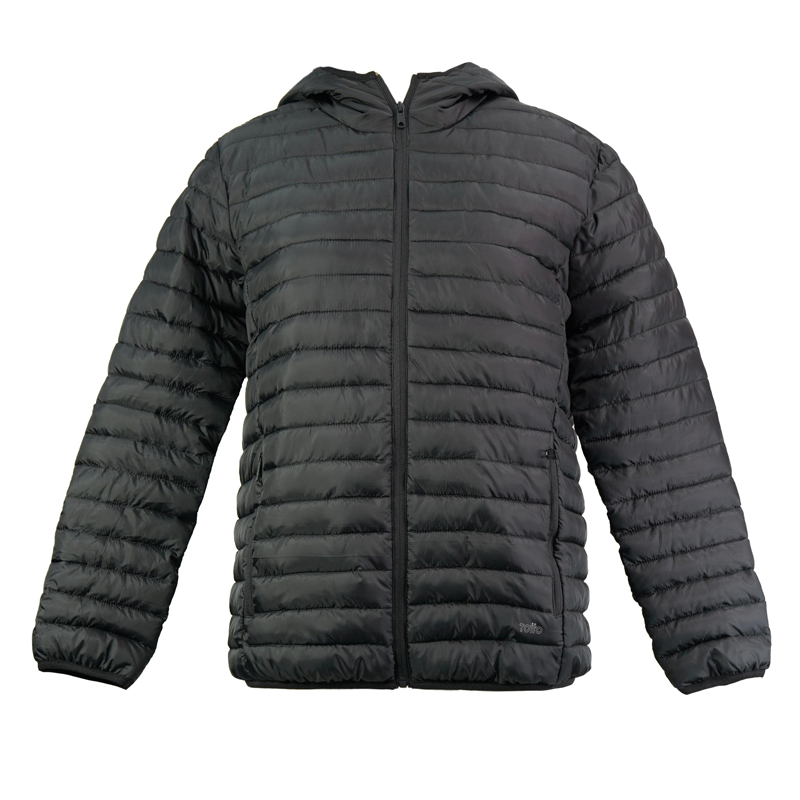
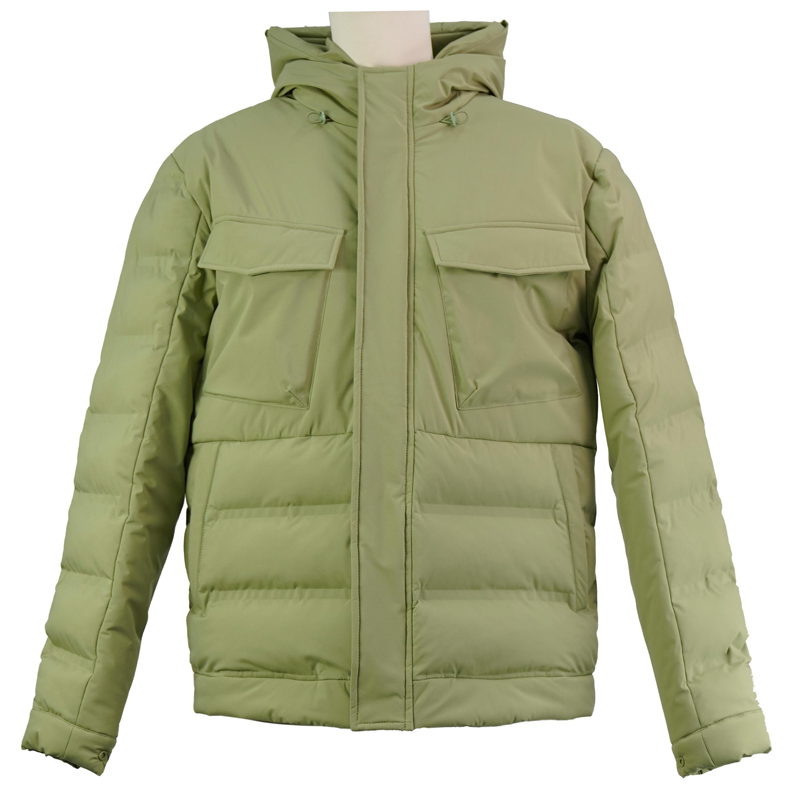
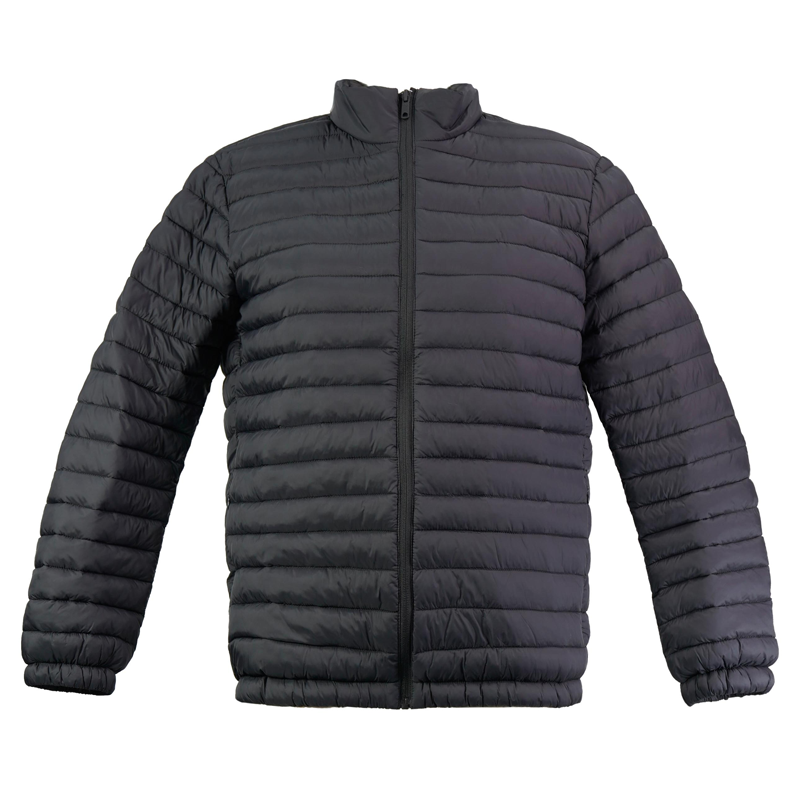
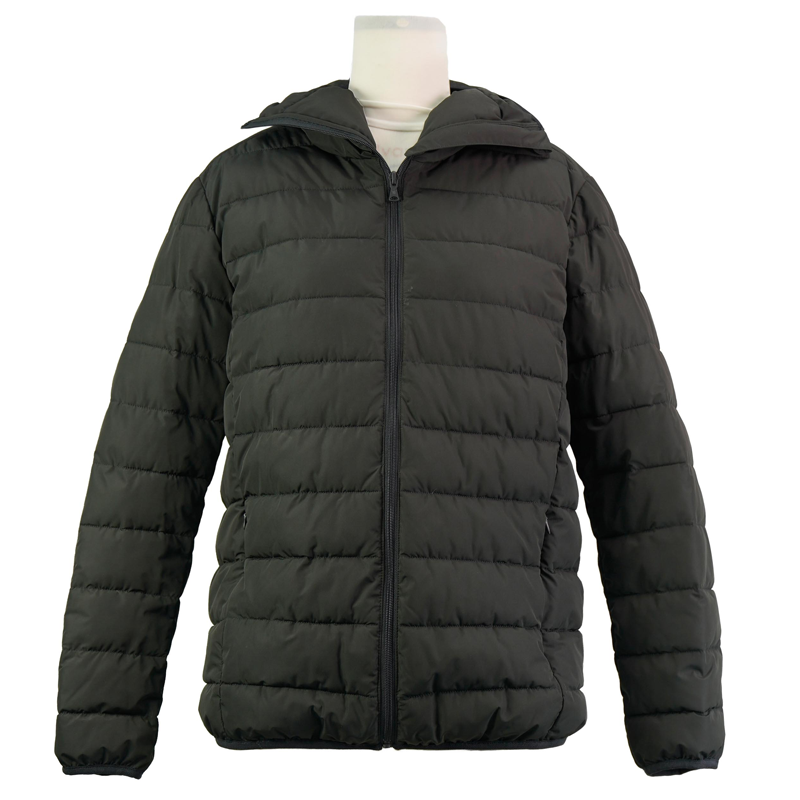
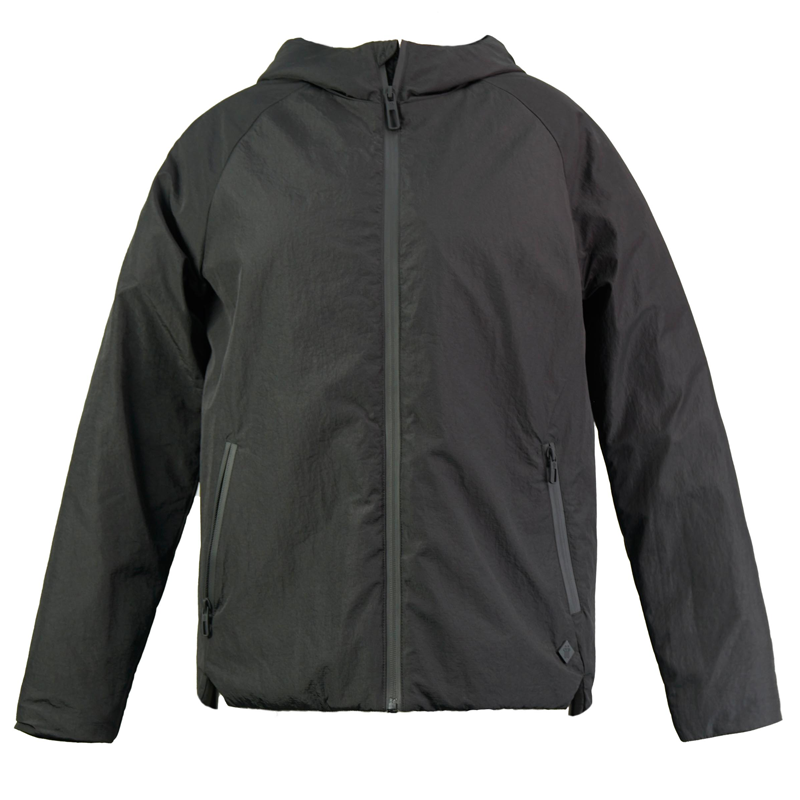
If you're choosing between a hardshell and a softshell jacket, the right option depends on the weather conditions, activity, and level of protection you need.
Hardshell jackets are designed primarily for weather protection, offering strong resistance to rain, snow, and wind. Softshell jackets prioritize breathability, stretch, comfort, and freedom of movement, making them especially useful for active outdoor activities in cool and relatively dry conditions.
In simple terms, choose a hardshell jacket when maximum weather protection is your priority. Choose a softshell jacket when breathability, mobility, and comfort matter more.
For many outdoor enthusiasts, however, the two aren't necessarily alternatives. A softshell can be your everyday active outer layer, while a lightweight hardshell can provide additional protection when the weather turns wet or severe.
Hardshell vs Softshell: What's the Difference?
The biggest difference between hardshell and softshell jackets is their primary purpose.
A hardshell jacket is a weather-protection layer. It is designed to keep rain, snow, and wind from penetrating the outer layer while allowing some moisture vapor to escape.
A softshell jacket is an active-comfort layer. It typically offers better stretch and breathability than a hardshell, while providing useful protection against wind, light precipitation, and cool conditions.
| Feature | Hardshell Jacket | Softshell Jacket |
|---|---|---|
| Waterproof protection | Excellent | Low to moderate |
| Water resistance | Excellent | Good |
| Wind protection | Excellent | Good to excellent |
| Breathability | Moderate to excellent, depending on construction | Generally excellent |
| Stretch | Limited to moderate | Excellent |
| Freedom of movement | Good | Excellent |
| Comfort during high-output activity | Good | Excellent |
| Durability | Generally excellent | Generally good to excellent |
| Packability | Often excellent | Moderate to good |
| Best for | Heavy rain, snow, storms, exposed environments | Hiking, climbing, active use, cool and dry conditions |
| Main advantage | Maximum weather protection | Breathability, comfort, and mobility |
| Main drawback | Can feel less flexible or breathable | Less protection in prolonged heavy rain |
The exact performance depends on the fabric, membrane, construction, fit, and intended use. Not every hardshell or softshell jacket performs identically.
What Is a Hardshell Jacket?
A hardshell jacket is an outer layer designed primarily to protect you from harsh weather.
Most technical hardshells use a waterproof or highly water-resistant membrane or laminate combined with a durable face fabric. Sealed or taped seams are also important because water can enter through stitching even when the fabric itself is waterproof.
The goal is straightforward: keep external moisture out while allowing internal moisture vapor to escape as effectively as possible.
Hardshell jackets are commonly used for:
Hiking in wet weather
Backpacking
Skiing and snowboarding
Mountaineering
Alpine climbing
Heavy rain
Strong wind
Unpredictable mountain weather
Hardshell Jacket Advantages
Excellent weather protection
A quality hardshell is the better choice when you expect prolonged rain, wet snow, or severe weather.
Strong wind protection
Hardshell fabrics and their construction can provide excellent protection in exposed and windy environments.
Packable protection
Many lightweight hardshells can be packed into a backpack and carried as an emergency outer layer.
Versatility as an outer shell
A hardshell can be worn over different insulating layers, allowing you to adjust your clothing system according to temperature.
Hardshell Jacket Disadvantages
The main trade-off is comfort.
Even highly breathable modern hardshells can feel less comfortable than a softshell during high-output activities. The fabric may also feel less stretchy and less flexible.
This is particularly noticeable when climbing, scrambling, or moving continuously uphill.
What Is a Softshell Jacket?
A softshell jacket is designed to balance weather protection with breathability, stretch, and comfort.
Instead of focusing primarily on maximum waterproof protection, softshells generally provide a combination of:
Breathability
Wind resistance
Water resistance
Stretch
Mobility
Comfort
Many softshell jackets have a durable water-repellent finish that helps light rain and snow bead off the outer surface. However, water resistance should not automatically be confused with the fully waterproof protection offered by a technical hardshell.
Softshells are particularly popular for activities where you're generating a lot of body heat.
Examples include:
Hiking
Trail running
Climbing
Scrambling
Ski touring
Mountaineering in dry conditions
Everyday outdoor use
Softshell Jacket Advantages
Excellent breathability
Softshells are often more comfortable during high-output activities because they allow heat and moisture to escape more easily.
Stretch and freedom of movement
The flexible construction makes softshells especially useful for climbing, scrambling, skiing, and other activities requiring a wide range of motion.
Comfort
For many people, a softshell feels more like a natural piece of clothing than a technical rain shell.
Versatility
A softshell can work well as an outer layer across a broad range of cool and moderately windy conditions.
Softshell Jacket Disadvantages
The main limitation is weather protection.
Although some softshells are highly water-resistant, most are not intended to replace a fully waterproof shell during prolonged heavy rain.
If you're heading into an environment where sustained rain or wet snow is likely, a hardshell provides a safer weather-protection option.
Hardshell vs Softshell: Key Differences
Understanding the differences in individual performance characteristics makes it easier to decide which jacket is right for you.
Waterproofing
If waterproof protection is your highest priority, a hardshell is generally the better choice.
Hardshell jackets are specifically engineered to protect against precipitation. Waterproof fabrics, membranes, coatings, and seam construction all contribute to keeping water out.
Softshell jackets typically focus more on water resistance. They can handle light rain, drizzle, snow, and brief exposure to precipitation, depending on the fabric and treatment.
The important distinction is:
Water-resistant does not necessarily mean waterproof.
If you're going out for a short hike in light drizzle, a water-resistant softshell may be enough.
If you're expecting hours of heavy rain, a hardshell is usually the more appropriate option.
Breathability
This is where softshell jackets often have a major advantage.
During high-output activities, your body generates heat and moisture. A breathable jacket helps move that moisture away from your body, reducing the clammy feeling that can occur when sweat builds up inside your clothing.
Softshells are generally designed with this type of active use in mind.
Modern hardshells can also be highly breathable, but their primary requirement is weather protection. There is always some degree of trade-off between blocking external moisture and allowing internal moisture vapor to escape.
For slow movement in heavy rain, weather protection may matter more.
For fast uphill hiking on a cool, dry day, breathability may matter more.
Wind Protection
Both jacket types can provide good wind protection, but hardshells generally have the edge when conditions become severe.
A hardshell is particularly useful when you're exposed to:
Strong mountain winds
Alpine ridges
Storms
Snow
Cold, wet weather
A softshell can provide excellent protection against normal or moderate wind while offering better breathability and comfort.
For active use in cool and windy conditions, a softshell can often be more comfortable.
For extreme or unpredictable weather, a hardshell provides greater protection.
Stretch and Mobility
Softshells are usually the clear winner for stretch and mobility.
If your activity involves frequent arm movement, reaching, bending, climbing, or scrambling, the flexibility of a softshell can make a noticeable difference.
This is one reason softshell jackets are popular among climbers and ski tourers.
Hardshells can certainly be designed with articulated patterns and some stretch, but their construction is usually more focused on weather protection.
Warmth
One common misconception is that a hardshell is warmer than a softshell.
Not necessarily.
Hardshell and softshell primarily describe the characteristics of the outer layer. They do not automatically determine how warm a jacket is.
Warmth depends on factors such as:
Insulation
Fabric weight
Layering
Wind protection
Fit
Activity level
Environmental conditions
A lightweight hardshell with no insulation may provide less warmth than an insulated softshell.
Similarly, a thick softshell may be much warmer than an ultralight rain shell.
Think of a hardshell as a protective outer barrier, rather than a dedicated insulation layer.
Durability
Both types can be highly durable, but the exact performance depends heavily on the fabric and construction.
Hardshells designed for alpine use may feature abrasion-resistant face fabrics to withstand contact with rock, ice, and backpack straps.
Softshells can also be extremely durable and may feel more robust during everyday use because of their thicker, more flexible fabrics.
When comparing durability, look beyond the category name and consider the actual fabric, construction, intended use, and reinforcement.
Weight and Packability
Lightweight hardshells are often designed to be carried in a backpack until they're needed.
This makes them particularly useful for hiking and backpacking in unpredictable weather.
Softshells tend to be worn rather than carried because their breathability and comfort make them useful across a wider range of conditions.
If you're looking for an emergency weather layer that spends most of the day inside your pack, a lightweight hardshell may make more sense.
If you expect to wear your jacket continuously during an activity, a softshell may be more comfortable.
Which Is Better: Hardshell or Softshell?
There is no universal winner.
The better jacket is the one that matches your environment and activity.
Choose a hardshell if:
You expect prolonged rain
You frequently hike in wet conditions
You need maximum wind protection
You're traveling in exposed alpine environments
You're skiing or snowboarding in wet conditions
You're mountaineering in unpredictable weather
You want a waterproof emergency layer
Choose a softshell if:
You prioritize breathability
You participate in high-output activities
You need excellent freedom of movement
You usually hike in cool, dry conditions
You climb or scramble frequently
You want a comfortable everyday outdoor jacket
Light precipitation is the most you normally encounter
A simple way to think about the decision is:
Hardshell = protection first.
Softshell = comfort and movement first.
Hardshell vs Softshell for Different Activities
The best jacket can change depending on what you're doing.
Hardshell vs Softshell for Hiking
For hiking, the right choice depends heavily on the climate and forecast.
A softshell can be an excellent hiking jacket when conditions are:
Cool
Dry
Windy
Moderately cold
It provides good breathability and freedom of movement, especially when you're climbing steep trails.
A hardshell becomes more useful when rain is expected or when you're hiking in an environment where weather can change rapidly.
For backpacking trips, one practical approach is to wear a softshell when conditions are dry and carry a lightweight hardshell in your pack for unexpected rain.
Hardshell vs Softshell for Skiing
For resort skiing, either option can work depending on the weather and the rest of your layering system.
A hardshell is particularly useful in:
Heavy snowfall
Wet snow
Rain
Strong wind
Storm conditions
A softshell can be comfortable for active skiing and touring when the weather is cold and relatively dry.
For backcountry skiing, weather protection becomes increasingly important because conditions can change quickly and exposure can be significant.
Hardshell vs Softshell for Climbing
Softshells are often excellent for climbing because stretch and freedom of movement are so important.
When climbing in dry conditions, a softshell can allow easier movement while providing useful wind resistance and light weather protection.
A hardshell becomes more valuable for alpine climbing when rain, snow, or severe wind is possible.
Many climbers therefore use both depending on the route and forecast.
Hardshell vs Softshell for Running
For running, breathability becomes especially important because the activity generates a significant amount of body heat.
A softshell or lightweight breathable wind-resistant layer may work well in cool conditions.
However, if heavy rain is expected, a lightweight waterproof shell can provide better protection.
The key is to avoid choosing a jacket based solely on waterproofing when your main concern is managing heat and sweat.
Hardshell vs Softshell for Everyday Use
For everyday outdoor use, a softshell is often more comfortable if you spend a lot of time walking, commuting, or doing light outdoor activities.
It can provide a useful combination of:
Comfort
Stretch
Wind protection
Light weather resistance
Breathability
If you live somewhere with frequent heavy rain, however, a waterproof hardshell may be more practical.
Can a Softshell Replace a Hardshell?
Sometimes, but not in every situation.
A softshell may replace a hardshell if you mainly spend time outdoors in cool, dry, or moderately windy conditions and only occasionally encounter light precipitation.
For example, if you're hiking on established trails during relatively stable weather, a softshell may provide everything you need.
But if you're heading into an environment where you expect:
Prolonged heavy rain
Wet snow
Severe storms
Strong alpine winds
Highly unpredictable weather
a hardshell is a better choice.
If you're unsure about the forecast, carrying a lightweight hardshell in your backpack can provide an additional layer of security without requiring you to wear it all day.
Do You Need Both a Hardshell and a Softshell?
For regular outdoor enthusiasts, having both can make sense because they serve different purposes.
Think of your clothing system as a set of layers rather than a single jacket.
A typical system might look like:
Base layer → Mid layer → Softshell or hardshell
The softshell can serve as your primary outer layer during cool and dry conditions.
The hardshell can be added when you need additional protection against rain, snow, or strong wind.
Another practical combination is:
Base layer → Insulation layer → Hardshell
This system works particularly well when the weather is cold, wet, and unpredictable.
The advantage of owning both is flexibility. Instead of asking one jacket to perform perfectly in every condition, you can choose the outer layer that matches the environment.
How to Choose the Right Jacket
Before buying a hardshell or softshell jacket, consider these five questions.
1. How much rain will you encounter?
If heavy or prolonged rain is common, prioritize a hardshell.
If precipitation is usually light or occasional, a softshell may be sufficient.
2. How intense is your activity?
The harder you work, the more important breathability becomes.
For high-output activities such as climbing, ski touring, trail running, or fast hiking, a breathable softshell can be particularly useful.
3. How important is freedom of movement?
If you climb, scramble, ski, or participate in activities involving significant arm and body movement, look for stretch and an articulated fit.
Softshells generally perform very well here.
4. How unpredictable is the weather?
If you're heading into mountains or exposed environments where conditions can change rapidly, carrying a lightweight hardshell is a smart option even if you start the day wearing a softshell.
5. Will you wear it all day or carry it as backup?
If you expect to wear your jacket continuously, comfort and breathability become more important.
If the jacket is primarily an emergency weather layer, packability and waterproof protection may matter more.
Frequently Asked Questions
Are hardshell jackets waterproof?
Many technical hardshell jackets are designed to provide waterproof protection, but performance varies by fabric, membrane, construction, and seam sealing.
A jacket marketed as waterproof should be evaluated based on its specific construction and intended use rather than simply the word "hardshell."
Are softshell jackets waterproof?
Most softshell jackets are better described as water-resistant rather than fully waterproof.
They can handle light rain, drizzle, and snow depending on their fabric and treatment, but they are generally not intended to provide the same level of prolonged wet-weather protection as a waterproof hardshell.
Is a hardshell warmer than a softshell?
Not necessarily.
Warmth depends primarily on insulation, fabric weight, layering, wind protection, and activity level.
A shell jacket is primarily an outer protective layer, not necessarily an insulation layer.
Can you wear a softshell in the rain?
Yes, if the rain is light or brief and the softshell has appropriate water resistance.
For prolonged or heavy rain, a waterproof hardshell is generally a better choice.
Is a softshell better for hiking?
It can be, especially for hiking in cool, dry, and windy conditions.
The breathability, stretch, and comfort of a softshell can make it excellent for active hiking.
If heavy rain is expected, however, a hardshell provides better protection.
Is a hardshell better for skiing?
A hardshell is particularly useful for skiing in wet, snowy, windy, or stormy conditions.
A softshell can be an excellent option for active skiing or ski touring in cold and relatively dry weather.
Can a softshell replace a rain jacket?
In some conditions, yes.
For light precipitation, a water-resistant softshell may be sufficient. For sustained heavy rain, a dedicated waterproof shell is generally more appropriate.
Which is more breathable: hardshell or softshell?
Softshell jackets are generally more breathable and comfortable during high-output activities, although modern hardshell fabrics can also offer excellent breathability.
The actual performance depends on the specific fabric and construction.
Which jacket is better for winter?
It depends on the winter conditions.
For cold and dry weather, a softshell can provide excellent comfort and wind protection.
For wet snow, freezing rain, or severe storms, a waterproof hardshell is usually more appropriate as the outer layer.
Final Verdict: Hardshell or Softshell?
The choice between a hardshell and softshell jacket isn't really about which one is universally better.
It's about what you need your jacket to do.
If your priority is maximum protection from rain, snow, and strong wind, choose a hardshell.
If your priority is breathability, stretch, comfort, and freedom of movement, choose a softshell.
For serious outdoor use, you may eventually find that having both makes the most sense. A softshell can handle everyday active use and stable weather, while a lightweight hardshell can provide reliable protection when conditions become wet or severe.
The simplest rule is:
Choose a hardshell for protection. Choose a softshell for movement and comfort. Choose both when you need flexibility across changing conditions.
Looking for a Hardshell or Softshell Jacket Manufacturer?
Choosing the right jacket is only the first step. If you're looking for a reliable hardshell or softshell jacket manufacturer for your outdoor apparel brand, Jiangsu Overseas FarEast Industrial Co., Ltd. can support your product development and production needs from design and sampling to manufacturing and international delivery.
JIANGSU OVERSEAS FAREAST INDUSTRIAL CO., LTD., founded in 2016, is one of the main companies held by JIANGSU OVERSEAS GROUP CO., LTD. (JOC Group). We specialize in garment and textile design, development, processing, manufacturing, and international trade, serving customers and partner brands across Europe, the United States, Australia, and other markets.
From Design and Development to Production
Our garment manufacturing capabilities cover the complete product development process. In China, we operate dedicated design, sample, and R&D centers, together with our own garment manufacturing facility.
Our factory has more than 400 design management personnel and professional technicians and operates 10 garment production lines, with a production capacity of approximately 80,000 garments per month. The facility also holds BSCI and WRAP certifications, supporting consistent production standards and responsible manufacturing practices.
For brands developing hardshell jackets, softshell jackets, outdoor jackets, and other technical apparel, our development capabilities can support different stages of the product lifecycle, from initial concepts and fabric selection to sample development and bulk production.
A Global Garment Manufacturing Network
To support international customers and improve supply flexibility, we have established factories and offices in China, Myanmar, Vietnam, and Cambodia.
Our overseas operations employ more than 4,000 people, with a combined annual production capacity of approximately 10 million garments.
This multi-country manufacturing network allows us to provide greater production flexibility and help customers manage capacity requirements, delivery schedules, and international sourcing needs.
Your Partner for Outdoor Apparel Development
Whether you are developing a new hardshell jacket, softshell jacket, waterproof jacket, outdoor jacket, or other functional apparel, our team can provide support throughout the manufacturing process.
Our capabilities include:
Garment design and product development
Fabric and material sourcing
Sample development
R&D and technical support
OEM and private-label manufacturing
Bulk garment production
Quality and production management
Multi-country manufacturing
International garment export
We believe that long-term partnerships are built on integrity, quality, efficiency, and mutual benefit. By combining product development expertise, manufacturing capabilities, and an international supply chain, we aim to provide reliable apparel solutions for brands in different markets.
Partner With Jiangsu Overseas FarEast Industrial Co., Ltd.
If you are looking for a professional hardshell and softshell jacket manufacturer for your next collection, we would be happy to discuss your product requirements.
We sincerely invite you to become one of our satisfied customers. Feel free to leave us a message and tell us about your next apparel project.