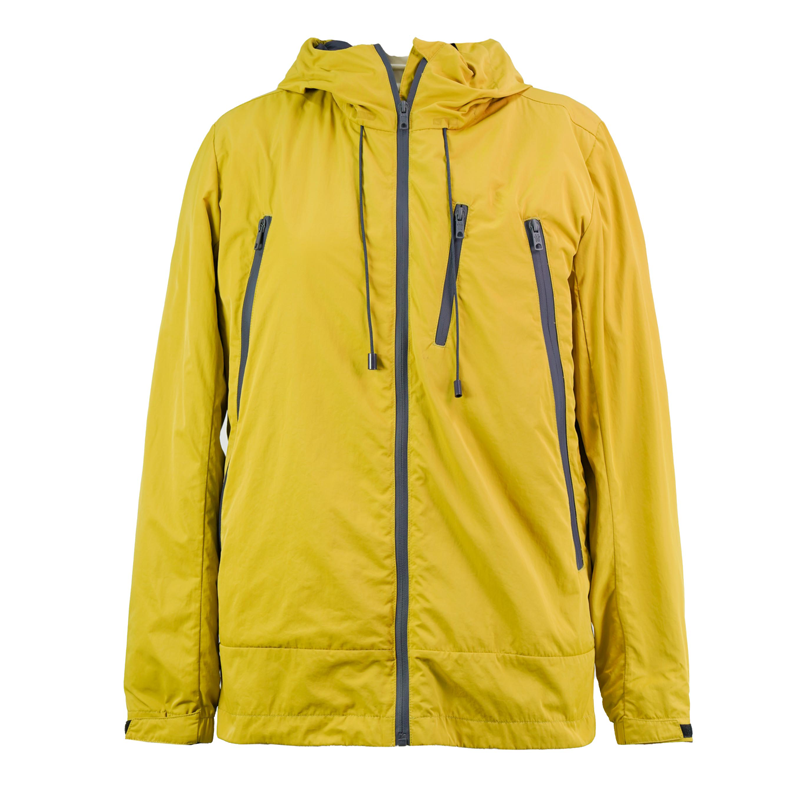
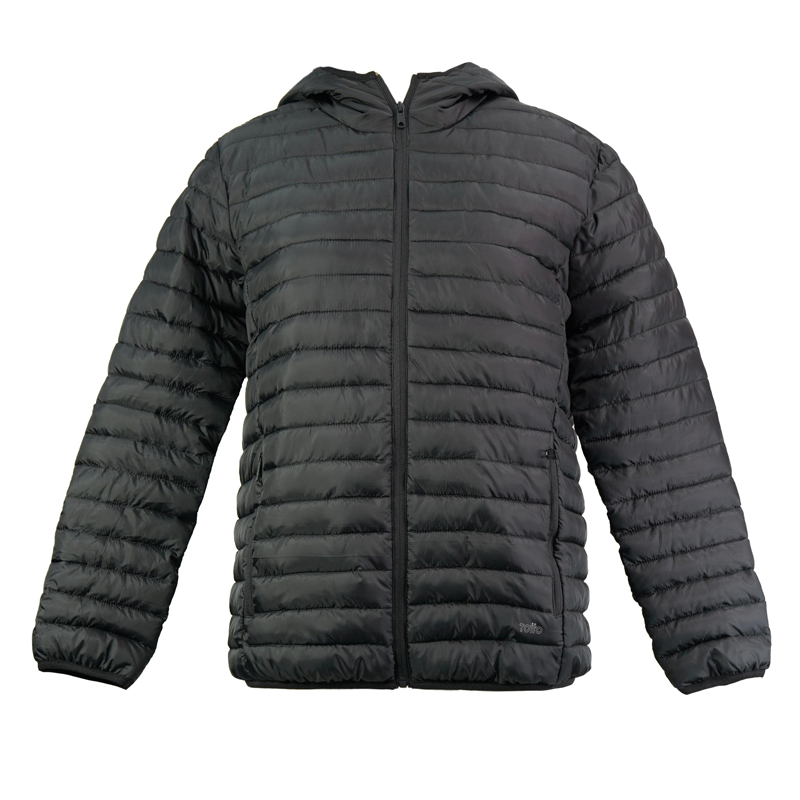
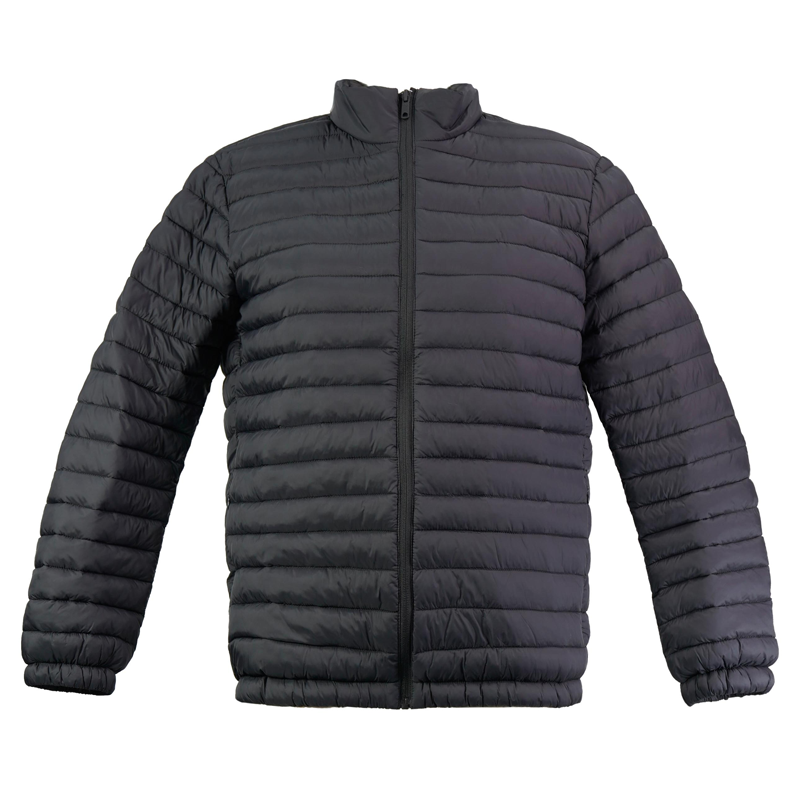
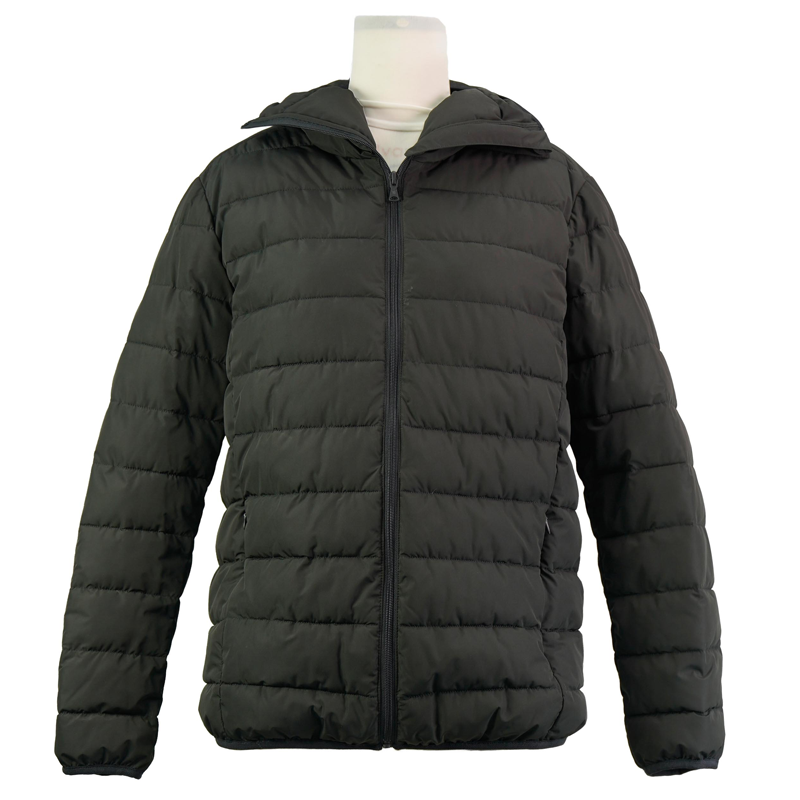
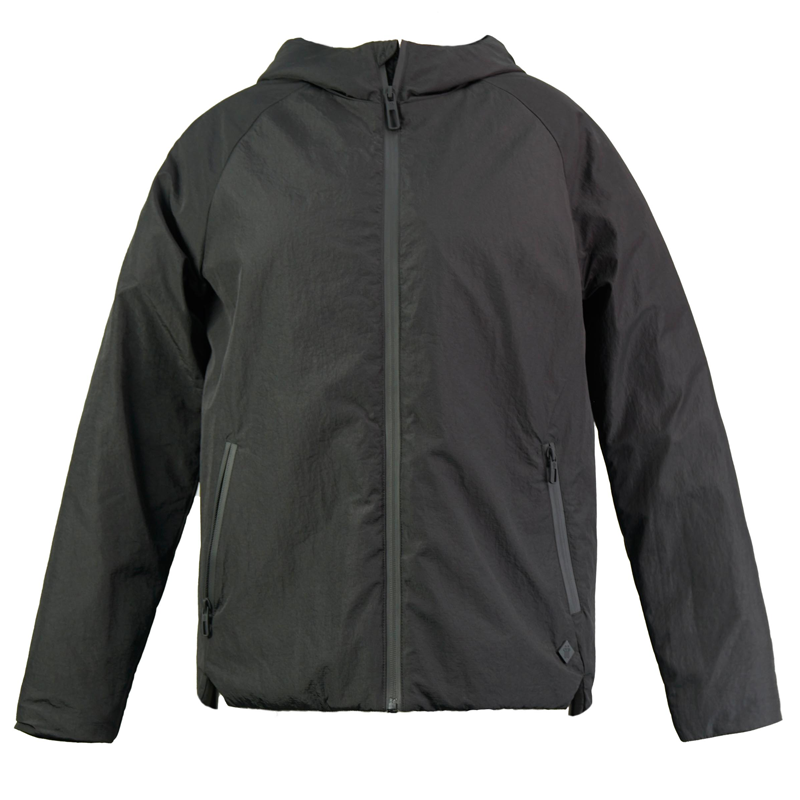
A hard shell jacket is a waterproof and wind-resistant outer layer designed to protect you from rain, snow, wind, and other harsh weather conditions. Unlike an insulated winter jacket, a hard shell usually provides little or no insulation. Its main purpose is to create a protective barrier between you and the weather.
Hard shell jackets are commonly used for hiking, backpacking, skiing, snowboarding, mountaineering, climbing, and other outdoor activities where reliable weather protection is important.
In simple terms, you can think of a hard shell as a technical outer layer that you wear over your base layer and midlayer when protection from wet and windy conditions matters more than built-in warmth.
But what makes a jacket a hard shell? How is it different from a soft shell or a traditional rain jacket? And do you actually need one?
This guide explains everything you need to know about hard shell jackets.
What Is a Hard Shell Jacket?
A hard shell jacket is an outer shell garment designed primarily for weather protection. It typically combines a waterproof or highly water-resistant outer construction with wind protection and, depending on the design, breathable technology.
Unlike a fleece jacket or insulated winter coat, a hard shell is generally not designed to keep you warm by itself. Instead, it works as the outer layer of a clothing system.
A typical layering system looks like this:
Base layer → Midlayer → Hard shell
The base layer manages moisture next to your skin. A fleece or insulated midlayer provides warmth. The hard shell protects the layers underneath from rain, snow, and wind.
This makes a hard shell particularly useful when weather conditions are unpredictable or severe.

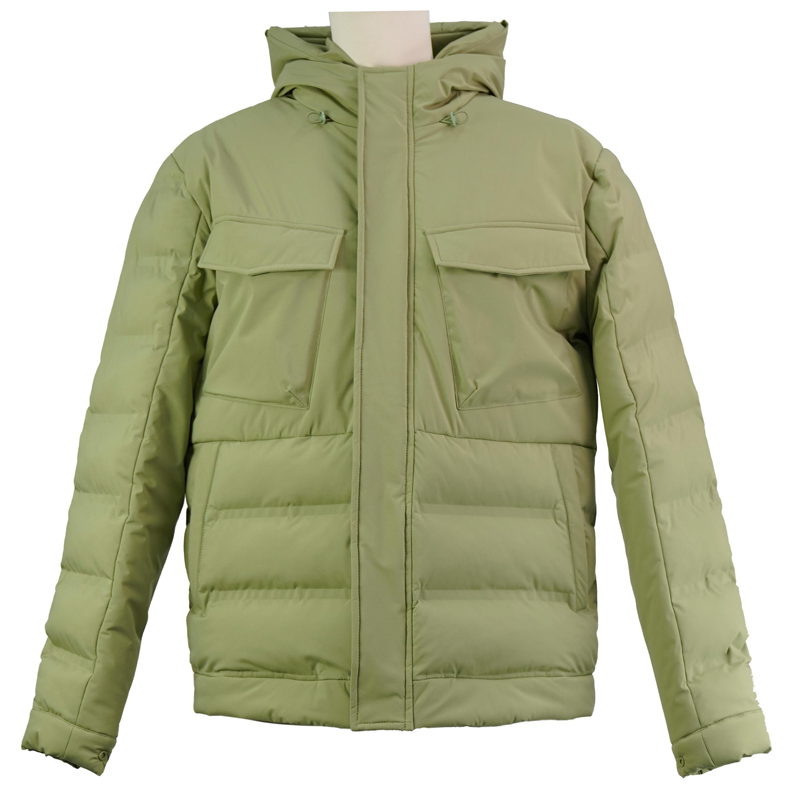
Olive-green hard shell hooded jacket with waterproof 3-layer laminate construction, sealed zippers, and adjustable storm hood
What Does “Shell” Mean?
In outdoor clothing, a shell refers to the outer layer that protects the wearer from environmental conditions.
The term “hard shell” is used to distinguish these jackets from soft shell jackets. Hard shells generally prioritize waterproofing, wind protection, and weather resistance, while soft shells tend to emphasize stretch, comfort, and breathability.
The word “hard” does not mean that the jacket is literally stiff or uncomfortable. Modern technical fabrics can be lightweight, flexible, and highly mobile while still providing strong weather protection.
What Makes a Jacket a Hard Shell?
Several features typically define a technical hard shell jacket.
1. Waterproof or Highly Water-Resistant Construction
The primary purpose of a hard shell is protection from precipitation.
Technical hard shells may use a waterproof membrane, coating, or laminated fabric construction to prevent liquid water from passing through the material.
However, the fabric is only part of the equation. The overall jacket construction also matters.
Features such as:
Sealed seams
Waterproof or water-resistant zippers
Adjustable cuffs
Protective storm flaps
Adjustable hoods
Carefully designed panels and construction
can all contribute to weather protection.
2. Wind Protection
Strong wind can make cold conditions feel significantly colder.
A well-designed hard shell helps block wind from reaching the layers underneath. This is especially useful in exposed environments such as mountain ridges, ski slopes, and high-altitude terrain.
3. Breathability
Many modern hard shells are designed to be waterproof and breathable.
Breathable construction allows some water vapor generated by your body to move through the garment while helping prevent external rain and snow from entering.
However, breathability does not mean that you will never sweat inside the jacket. During high-intensity activities, your body may produce moisture faster than the jacket can release it.
For this reason, ventilation features such as pit zips can be valuable for hiking, climbing, skiing, and other high-output activities.
4. Seam Sealing
Even highly waterproof fabric can allow water through needle holes created during sewing.
That is why technical waterproof jackets often use seam sealing or taped seams to reduce water penetration through stitched areas.
This is one reason why simply looking at the fabric specification is not enough when evaluating a waterproof jacket. The construction of the entire garment matters.
5. Durable Construction
Hard shells designed for demanding outdoor activities may use durable face fabrics and reinforced construction to withstand abrasion from backpacks, rocks, equipment, or repeated outdoor use.
However, durability varies significantly between jackets.
A lightweight emergency shell may prioritize low weight and packability, while a mountaineering shell may prioritize durability and protection.
How Does a Hard Shell Jacket Work?
A hard shell jacket works by creating a protective outer barrier while allowing some moisture vapor to escape.
The technology varies between products, but hard shells commonly use waterproof membranes or coatings combined with different fabric constructions.
2-Layer Construction
In a 2-layer design, the waterproof membrane or coating is generally bonded to the outer fabric, while a separate lining or inner layer protects the membrane.
This construction can provide good weather protection while offering a comfortable interior.
2.5-Layer Construction
A 2.5-layer construction uses a printed or partial protective layer on the inside rather than a conventional full lining.
The goal is often to reduce weight and improve packability.
Lightweight shells using this type of construction can be useful for hiking, travel, and backpacking when minimizing pack weight is important.
3-Layer Construction
A 3-layer design combines:
An outer face fabric
A waterproof/breathable membrane
An inner protective layer
These layers are bonded together into a single construction.
Three-layer shells are often designed for demanding outdoor use because they can provide a strong balance of weather protection, durability, and performance.
Are Hard Shell Jackets Waterproof?
Yes, hard shell jackets are generally designed to provide waterproof protection.
However, “waterproof” should be understood as a property of the complete garment rather than simply the fabric.
A jacket's real-world performance can depend on:
Fabric technology
Waterproof membrane or coating
Seam sealing
Zippers
Hood construction
Cuffs
Garment design
Fabric condition
Manufacturing quality
A jacket can use waterproof fabric but still perform poorly if water can enter through poorly constructed seams or openings.
Waterproof vs. Water-Resistant
These terms are also worth distinguishing.
Water-resistant means a material can resist water to a certain degree, but it may eventually allow water to penetrate under prolonged or heavy exposure.
Waterproof generally indicates a higher level of protection intended for sustained exposure to rain or wet conditions.
For activities such as hiking in prolonged rain, skiing, or mountaineering, a purpose-built waterproof hard shell is usually more appropriate than a lightly water-resistant jacket.
What Is DWR and Why Is It Used on Hard Shell Jackets?
You may also see the term DWR, which stands for Durable Water Repellent.
DWR is a treatment applied to the outside of many technical fabrics to encourage water to bead up and run off the surface.
It is important to understand that:
DWR is not the same thing as a waterproof membrane.
A waterproof membrane or coating provides the primary barrier against water penetration, while DWR helps water move off the face fabric.
Over time, abrasion, dirt, washing, and regular use can reduce the effectiveness of a DWR finish.
Hard Shell vs. Soft Shell: What's the Difference?
One of the most common questions about outdoor jackets is the difference between a hard shell and a soft shell.
The simplest distinction is:
Hard shells prioritize weather protection, while soft shells generally prioritize comfort, stretch, and breathability.
| Feature | Hard Shell | Soft Shell |
|---|---|---|
| Waterproof protection | Excellent | Usually limited |
| Wind protection | Excellent | Good to excellent |
| Breathability | Good to excellent, depending on design | Often excellent |
| Stretch | Usually limited to moderate | Usually excellent |
| Comfort | Technical | Soft and flexible |
| Heavy rain | Excellent | Usually not ideal |
| Snow | Excellent | Suitable in some conditions |
| High-output activity | Depends on design | Often very comfortable |
| Best use | Severe or wet weather | Active use in moderate conditions |
When Should You Choose a Hard Shell?
A hard shell is a good choice when you expect:
Heavy rain
Wet snow
Strong wind
Unpredictable mountain weather
Long exposure to precipitation
Technical outdoor activities
When Should You Choose a Soft Shell?
A soft shell may be preferable when:
The weather is mostly dry
You need significant stretch
Breathability is a priority
You are doing high-output activities
You want a comfortable everyday outdoor layer
In some outdoor systems, people carry both: a soft shell for normal conditions and a lightweight hard shell for unexpected rain or severe weather.

Showing a hard shell jacket and a soft shell hooded jacket with key performance feature callouts
Hard Shell vs. Rain Jacket: Are They the Same?
A hard shell can function as a rain jacket, but the terms are not always interchangeable.
A basic rain jacket is primarily designed to protect you from rain. It may be lightweight, packable, and relatively simple.
A technical hard shell may provide a broader range of features for demanding outdoor environments, including:
Stronger weather protection
More durable construction
Better ventilation
More advanced hood designs
Layering compatibility
Reinforced areas
Technical pockets
Features designed for climbing, skiing, or mountaineering
In other words:
A rain jacket can be a simple waterproof layer, while a technical hard shell is usually designed as a more comprehensive weather-protection system.
For everyday city use, a lightweight rain jacket may be all you need.
For prolonged exposure to rain, snow, wind, or challenging terrain, a technical hard shell can offer additional advantages.
Are Hard Shell Jackets Warm?
Usually, a hard shell jacket is not designed to provide significant insulation.
This is one of the most important things to understand about hard shells.
A hard shell protects you from the environment, but it does not necessarily generate warmth.
For cold weather, you typically combine it with other layers.
Base Layer
The base layer sits directly against your skin and helps manage moisture.
Midlayer
A fleece, synthetic insulated jacket, or lightweight down layer can provide additional warmth.
Hard Shell
The hard shell goes on top to help protect the insulation and other layers from wind, rain, and snow.
This modular approach allows you to adjust your clothing according to changing conditions.
For example:
Cool and dry:
Base layer + soft shell
Cold and dry:
Base layer + fleece + outer layer
Cold and wet:
Base layer + insulating midlayer + hard shell
The exact combination depends on temperature, activity level, wind, precipitation, and personal comfort.
What Do You Wear Under a Hard Shell Jacket?
What you wear under a hard shell depends on the weather and activity.
In Mild Weather
A moisture-managing base layer may be enough.
In Cool Weather
Add a fleece or lightweight midlayer.
In Cold Weather
You may need a warmer insulating layer, such as synthetic insulation or down, underneath the shell.
The key is to avoid thinking of the hard shell as a standalone winter coat.
Instead, think of it as the protective outer layer of a layering system.
What Is a Hard Shell Jacket Used For?
Hard shells are versatile outdoor garments, but they are particularly useful when weather protection is important.
Hiking
For hiking in areas with unpredictable weather, a hard shell can protect against sudden rain and strong wind.
A lightweight model may also be easy to carry in a backpack until it is needed.
Backpacking
For multi-day trips, weather can change quickly.
A packable hard shell gives hikers an additional layer of protection without requiring a separate bulky raincoat.
Skiing and Snowboarding
Hard shells are commonly used in snow sports because they can provide protection from:
Snow
Wind
Wet conditions
Cold weather
They can also be combined with insulating layers underneath.
Mountaineering
Mountaineering can expose users to severe weather, strong winds, snow, and changing temperatures.
For these environments, weather protection and durability can become critical.
Climbing
A technical hard shell may be useful for climbing in wet or windy environments, particularly when protection from precipitation is more important than maximum stretch.
Everyday Outdoor Use
For everyday commuting, travel, or casual outdoor activities, a hard shell can provide excellent weather protection.
However, its technical features may be more than necessary if you rarely encounter heavy rain or severe weather.
Do You Need a Hard Shell Jacket?
Not everyone needs a technical hard shell.
The right choice depends on where, when, and how you plan to use it.
You May Want a Hard Shell If:
You regularly hike in rainy areas.
You participate in skiing or snowboarding.
You spend time in mountainous environments.
You go backpacking in unpredictable weather.
You need reliable wind and rain protection.
You want an outer layer that can work with different insulation layers.
You May Not Need One If:
You primarily use jackets in the city.
You rarely experience heavy rain.
You exercise mostly in dry weather.
Stretch and softness are more important than maximum weather protection.
A simple rain jacket meets your needs.
The best jacket is not necessarily the most technical one. It is the one that matches your actual environment and activity.
How to Choose a Hard Shell Jacket
If you have decided that a hard shell is right for you, there are several factors worth considering.
1. Waterproof Protection
Consider the type of weather you expect to encounter.
Someone hiking occasionally in light rain may have different requirements from a mountaineer spending hours in heavy precipitation.
2. Breathability
If you participate in high-output activities, breathability becomes particularly important.
Look for a balance between waterproof protection and moisture management.
3. Construction
Compare 2-layer, 2.5-layer, and 3-layer constructions based on your priorities.
Three-layer construction is often attractive for demanding applications, while lighter constructions may be preferable when weight and packability are more important.
4. Durability
Consider how you will use the jacket.
Backpacks, climbing equipment, rocks, branches, and frequent outdoor use can place significant stress on a garment.
A lightweight shell may be ideal for emergency rain protection, while a more durable shell may be better for regular technical use.
5. Weight
If you are backpacking or climbing, every gram can matter.
If durability and protection are your priorities, accepting a little additional weight may be worthwhile.
6. Hood Design
For hiking and mountaineering, look for an adjustable hood that provides good coverage without significantly restricting visibility.
Skiers and climbers may also want to consider helmet compatibility.
7. Ventilation
Pit zips and other ventilation features can be useful when you are working hard and generating significant body heat.
8. Pockets
Consider whether the pockets are accessible while wearing a backpack or harness.
For technical outdoor use, pocket placement can be just as important as pocket quantity.
9. Fit
A hard shell should generally provide enough room for the layers you plan to wear underneath.
At the same time, excessive fabric can interfere with movement.
A good fit should allow you to move freely while accommodating your intended layering system.
What Should a Good Hard Shell Jacket Include?
Depending on the intended market and application, a technical hard shell jacket may include:
Waterproof/breathable fabric
Fully or critically seam-sealed construction
Adjustable hood
Adjustable cuffs
Waterproof or water-resistant zippers
Storm flap
Ventilation zippers
Multiple functional pockets
Adjustable hem
Durable face fabric
Lightweight construction
Packable design
Reinforced panels for demanding applications
Not every jacket needs every feature.
For example, a lightweight hiking shell and a technical mountaineering shell may have completely different specifications.
The best design depends on the target consumer and intended use.
Hard Shell Jacket Layering Guide
A hard shell is most effective when it is integrated into a suitable layering system.
Layer 1: Base Layer
The base layer manages moisture and helps maintain comfort next to the skin.
Layer 2: Midlayer
The midlayer provides insulation.
Common options include:
Fleece
Synthetic insulation
Down
Lightweight active insulation
Layer 3: Hard Shell
The hard shell provides the outer weather barrier.
This system is flexible because you can add or remove layers depending on the weather and activity level.
How Should a Hard Shell Jacket Fit?
A hard shell should provide enough room for movement and layering without being excessively loose.
For an outdoor jacket, consider:
Shoulders
You should be able to raise and move your arms comfortably.
Chest
There should be sufficient space for your base layer and midlayer.
Sleeves
The sleeves should provide adequate coverage when your arms are extended.
Hood
The hood should be adjustable and should not significantly obstruct your vision.
Hem
The hem should provide enough coverage while allowing normal movement.
For technical products, pattern development is especially important because the jacket must balance mobility, layering, protection, and comfort.
How Is a Hard Shell Jacket Made?
From a garment manufacturing perspective, hard shell jackets require more than simply selecting waterproof fabric.
Important considerations can include:
Fabric selection
Membrane or coating selection
Fabric lamination
Pattern engineering
Seam construction
Seam sealing
Zipper selection
Hood construction
Pocket construction
Bonding or taping
Quality control
Waterproof testing
Garment finishing
For brands developing a hard shell collection, these factors should be considered during product development rather than only during bulk production.
A reliable manufacturer should therefore be capable of supporting the product from design and sampling through technical development, production, quality control, and delivery.
Choosing a Hard Shell Jacket Manufacturer
For apparel brands, retailers, importers, and sourcing companies, selecting the right manufacturer is just as important as choosing the right fabric.
When evaluating a hard shell jacket manufacturer, consider:
Product Development Capability
Can the manufacturer help develop patterns, samples, materials, trims, and construction details?
Technical Expertise
Does the factory understand waterproof garment construction, seam sealing, technical fabrics, and functional details?
Production Capacity
Can the supplier handle both development samples and larger production orders?
Quality Management
Does the manufacturer have established quality-control procedures and internationally recognized certifications?
Multi-Country Production
Can the supplier provide production options in different manufacturing locations?
Delivery Reliability
Can the manufacturer maintain stable production schedules and support international delivery requirements?
These factors become increasingly important when developing technical outerwear for international markets.
Hard Shell Jacket Manufacturing and OEM/ODM Solutions
Jiangsu Overseas FarEast Industrial Co., Ltd. is a professional garment and textile manufacturer and exporter established in 2016 as one of the key companies under Jiangsu Overseas Group Co., Ltd. (JOC Group).
We provide integrated garment solutions covering design, product development, sampling, R&D, manufacturing, processing, and international trade.
Our operations are supported by design, sample, and R&D centers in China, together with our own garment manufacturing facilities.
Our China production operation has more than 400 design, management, and technical professionals and 10 garment production lines, with a monthly production capacity of approximately 80,000 garments. Our factory also holds BSCI and WRAP certifications.
In addition to our manufacturing capabilities in China, we have established factories and offices in Myanmar, Vietnam, and Cambodia, with a combined workforce of more than 4,000 employees and an annual production capacity of approximately 10 million garments.
Our multi-country production network allows us to support different sourcing strategies and provide flexible manufacturing solutions for international apparel brands, retailers, importers, and sourcing partners.
For hard shell jackets and other technical outerwear, product development can involve multiple considerations, including:
Technical fabric selection
Waterproof and breathable material development
Pattern engineering
Seam construction
Functional pocket design
Hood development
Zipper and trim selection
Sampling
Bulk production
Quality control
International delivery
Our design, R&D, technical, and production teams work together to support customers from initial product concepts to finished garments.
With established business relationships across Europe, the United States, Australia, and other international markets, we are committed to providing reliable garment manufacturing solutions based on integrity, quality, efficiency, and win-win cooperation.
If you are developing a new hard shell jacket collection or looking for an experienced hard shell jacket manufacturer or OEM/ODM garment partner, our team can support your project from product development through mass production.
Frequently Asked Questions About Hard Shell Jackets
What is a hard shell jacket?
A hard shell jacket is a technical outer layer designed primarily to protect the wearer from rain, snow, and wind. It typically provides little insulation and is often used as part of a layering system.
Is a hard shell jacket waterproof?
Most technical hard shell jackets are designed to provide waterproof protection. Performance depends on the fabric, membrane or coating, seam sealing, zippers, and overall garment construction.
Is a hard shell jacket warm?
Usually not by itself. A hard shell is primarily a protective outer layer. For cold conditions, it is normally combined with a base layer and insulating midlayer.
What is the difference between a hard shell and a soft shell?
Hard shells generally prioritize waterproofing and weather protection, while soft shells typically prioritize stretch, comfort, and breathability.
Is a hard shell the same as a rain jacket?
Not necessarily. A hard shell can function as a rain jacket, but technical hard shells are often designed with additional features for demanding outdoor activities.
Is Gore-Tex a hard shell?
GORE-TEX refers to a family of waterproof and breathable technologies and products. A hard shell can use GORE-TEX technology, but the terms do not mean exactly the same thing.
Can you wear a hard shell jacket in summer?
Yes. A lightweight hard shell can be useful in summer when you expect rain or strong wind. For warm-weather activities, ventilation and breathability become particularly important.
What should you wear under a hard shell?
Depending on the conditions, you can wear a moisture-managing base layer, fleece, synthetic insulation, or down underneath a hard shell.
Are hard shells good for hiking?
Yes. Hard shells are particularly useful for hiking in areas with frequent rain, strong wind, or unpredictable weather.
How long does a hard shell jacket last?
The lifespan depends on the fabric, construction, frequency of use, care, and environmental exposure. A well-made shell can last for many years when properly maintained.
Final Thoughts: Is a Hard Shell Jacket Right for You?
A hard shell jacket is best understood as a weather-protection layer rather than a warm jacket.
Its primary functions are to help protect you from:
Rain
Snow
Wind
Harsh outdoor conditions
For hiking, backpacking, skiing, snowboarding, climbing, and mountaineering, a hard shell can be an important part of a flexible layering system.
The main difference between a hard shell and a soft shell comes down to priorities:
Choose a hard shell when weather protection is the priority.
Choose a soft shell when stretch, comfort, and breathability are more important.
For apparel brands and retailers, developing a high-quality hard shell also requires careful attention to fabric technology, pattern engineering, seam construction, functional details, and manufacturing quality.
If you are looking for a reliable hard shell jacket manufacturer, OEM supplier, or ODM garment partner, working with an experienced manufacturer with integrated design, R&D, sampling, and multi-country production capabilities can help turn your product concept into a scalable finished garment.