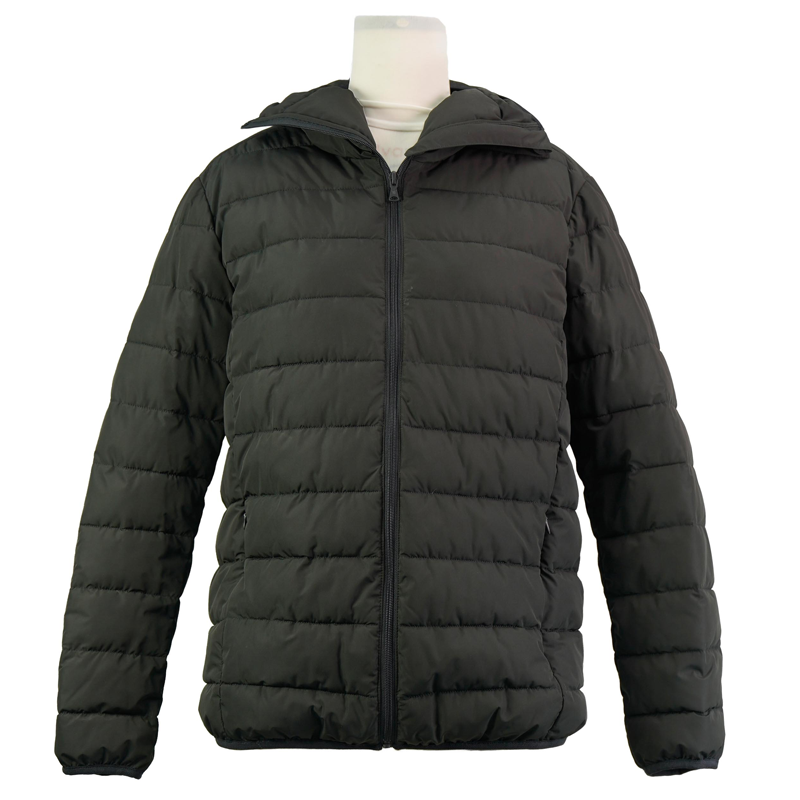
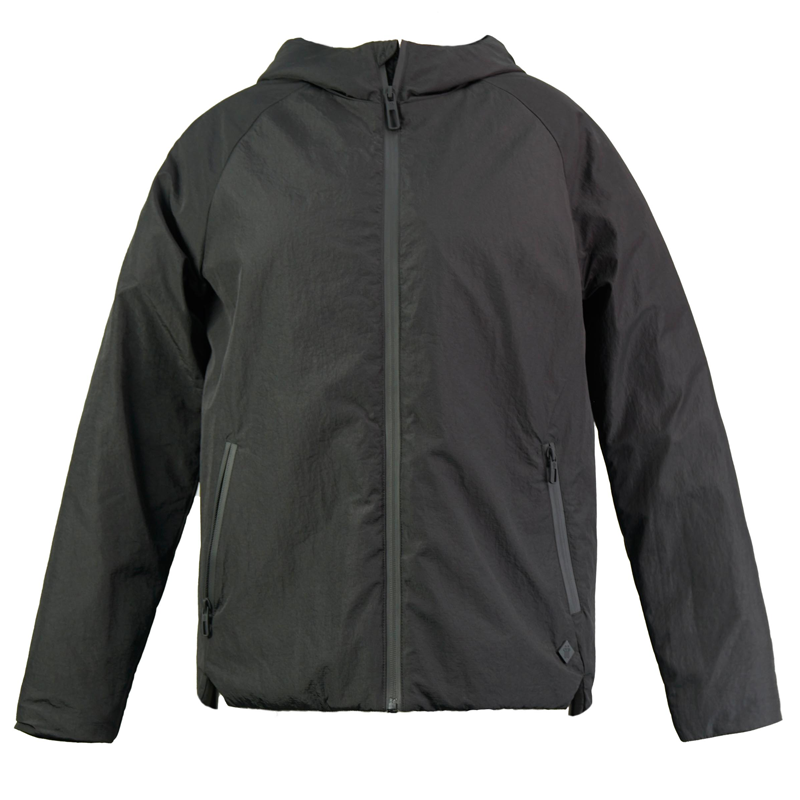
Choosing between a vest and a jacket is not always simply a matter of personal style. Weather conditions, activity level, layering needs, mobility, and the amount of protection you need can all influence which garment is more suitable.
A vest can provide warmth around the core while leaving the arms uncovered, making it particularly useful when you want insulation without the bulk or restriction of a full jacket. A jacket, on the other hand, generally provides greater coverage and protection for the upper body, making it a practical choice for colder, windier, or wetter conditions.
So, when should you wear a vest instead of a jacket?
In general, a vest is a good choice when you need core warmth, freedom of movement, and flexible layering, but do not require full arm coverage. A jacket is usually more appropriate when maximum protection from cold, wind, rain, or snow is the priority.
This guide explains the differences between vests and jackets, when to choose each one, how to layer a vest, and how to select the right type of vest for different seasons and activities.
Vest vs. Jacket: What's the Difference?
The main difference between a vest and a jacket is coverage. A vest typically covers the torso but leaves the arms exposed, while a jacket covers both the torso and arms.
This simple structural difference affects warmth, mobility, layering, and weather protection.
| Feature | Vest | Jacket |
|---|---|---|
| Arm coverage | No sleeves | Full or partial sleeve coverage |
| Core warmth | High | High |
| Arm mobility | Excellent | Generally good |
| Layering | Easy and flexible | Can add more bulk |
| Wind protection | Mainly around the torso | Upper-body protection |
| Weather protection | Depends on fabric and design | Generally greater coverage |
| Best suited for | Cool weather, layering, active use | Cold, windy, wet, or severe weather |
A vest is often useful when your torso needs additional insulation but your arms need to remain unrestricted. This makes vests especially popular for outdoor activities, transitional seasons, travel, and casual everyday wear.
A jacket becomes more practical when you need comprehensive upper-body protection.

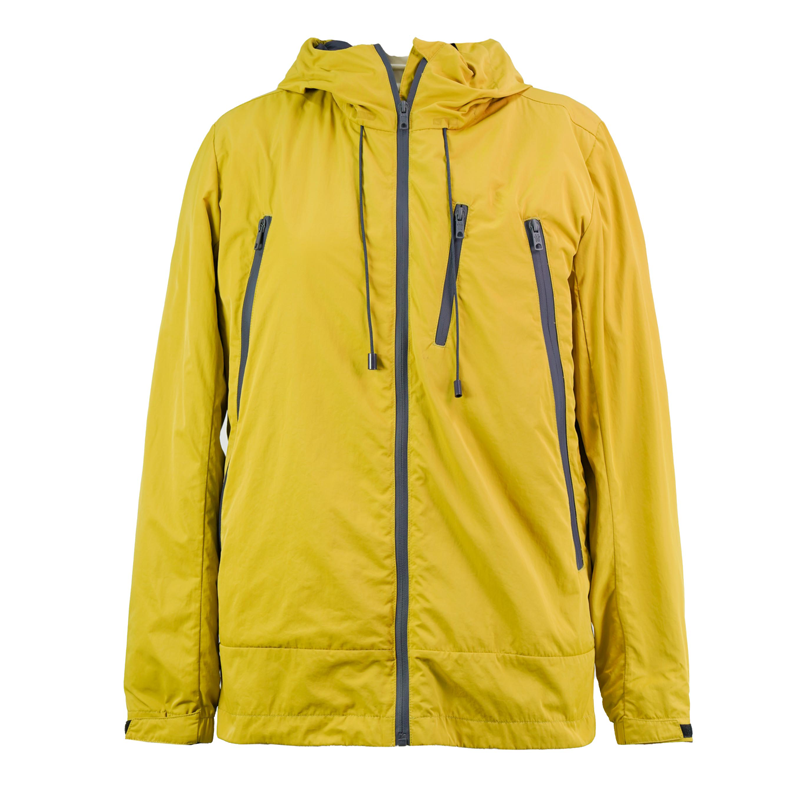
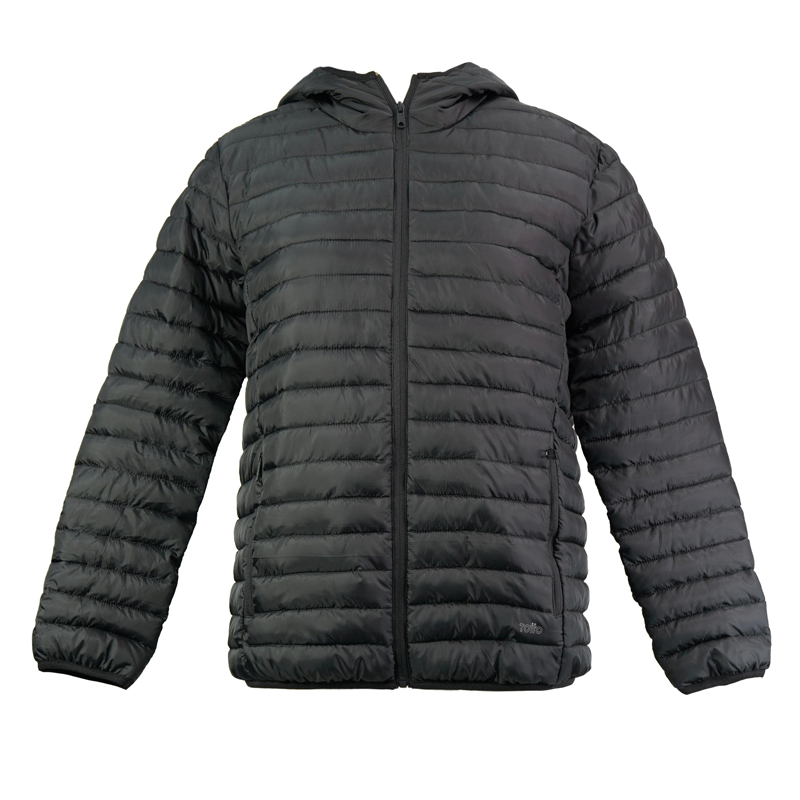
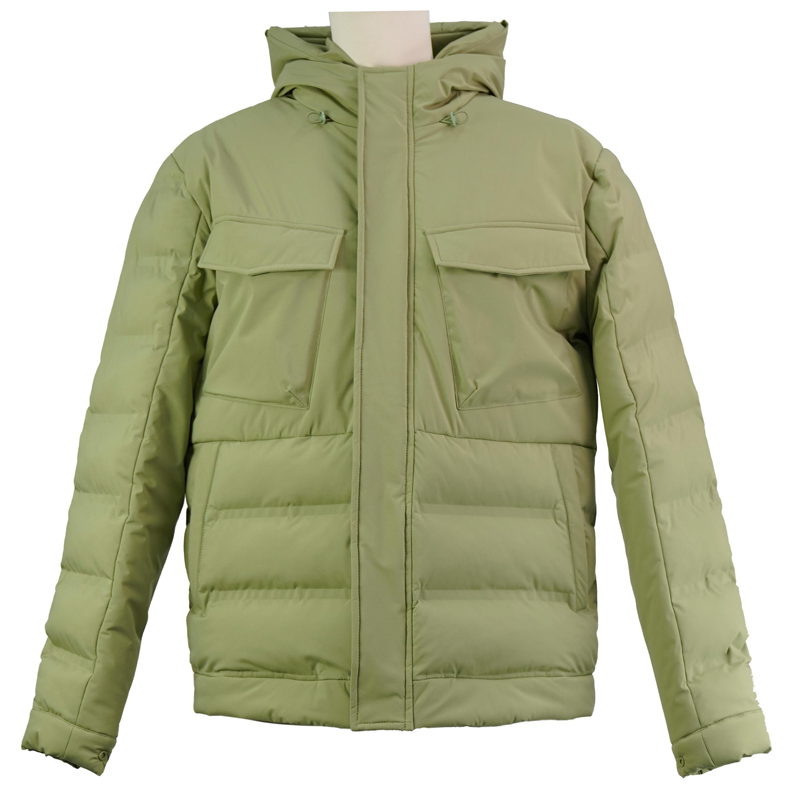
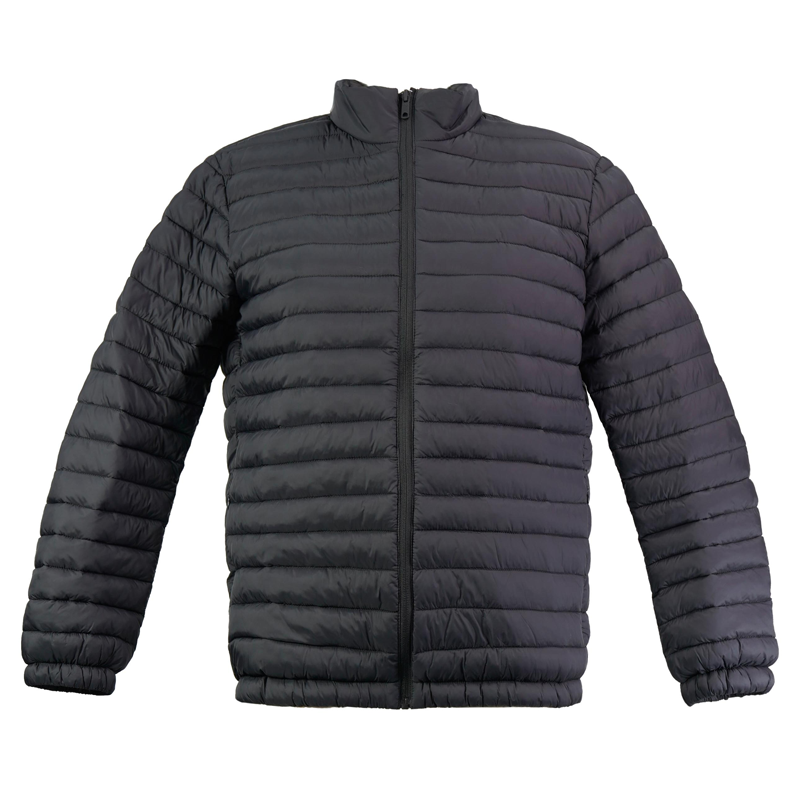
Difference between a vest and a jacket
When Should You Wear a Vest Instead of a Jacket?
There is no single temperature or weather condition that determines whether you should wear a vest. The right choice depends on the garment's insulation, the clothing underneath it, your activity level, wind conditions, and personal comfort.
However, there are several situations where a vest can be particularly practical.
When You Need Core Warmth
One of the primary reasons to choose a vest is to keep your torso warm while maintaining freedom of movement in your arms.
Your core generates and retains a significant amount of body heat, so adding an insulating layer over the torso can improve comfort in cool conditions without requiring a heavy garment over the arms.
A vest can therefore work well when:
Your torso feels cold but your arms do not
You want additional insulation over a shirt or sweater
You need freedom of movement
A full jacket feels unnecessarily warm
You want a lightweight additional layer
This is one reason insulated vests are commonly used as mid-layers or outer layers during transitional weather.
When the Weather Is Cool but Not Extremely Cold
Vests are particularly useful during mild or moderate cold weather.
For example, early mornings and evenings in spring or fall may feel too cool for a T-shirt but not cold enough to require a heavy jacket. A vest can fill this gap by adding warmth to the torso without creating as much insulation around the arms.
There is no universal temperature at which a vest becomes appropriate. A lightweight vest over a long-sleeve shirt can work in conditions where a heavily insulated vest would be excessive, while a down or synthetic insulated vest can provide warmth in considerably colder conditions.
The important factor is the overall clothing system rather than temperature alone.
When You Want Maximum Arm Mobility
If your activity involves frequent arm movement, a vest can provide a useful alternative to a jacket.
Because there are no sleeves, a vest does not add insulation or fabric around the arms. This can make it easier to move, swing, reach, lift, or perform repetitive activities.
Vests can therefore be suitable for activities such as:
Golf
Hiking
Cycling
Running
Fishing
Outdoor work
Traveling
Everyday activities
For active users, the combination of torso warmth and arm mobility can be more practical than wearing a bulky jacket.
When You Want an Easy Layering Piece
Layering is another major reason to wear a vest instead of a jacket.
A vest can be placed over different types of clothing without necessarily making the entire outfit feel heavy. Depending on the season, you can wear a vest over a T-shirt, long-sleeve shirt, sweatshirt, sweater, or lightweight base layer.
This makes a vest particularly versatile during seasons when temperatures change throughout the day.
For example, you might wear a long-sleeve shirt and lightweight vest in the morning, remove the vest when temperatures rise, and put it back on later in the evening.
When Is a Vest Better for Outdoor Activities?
A vest can be especially useful for outdoor activities because it balances insulation and mobility.
Different activities require different levels of warmth and weather protection, so the ideal vest will depend on the environment and intensity of movement.
Hiking
For hiking in cool weather, a lightweight insulated or fleece vest can provide additional warmth without restricting arm movement.
This can be useful when hiking involves continuous movement and your body generates heat quickly. In changing weather, a vest can also work as part of a layered system.
However, if heavy rain, strong wind, or severe cold is expected, a weather-resistant or waterproof jacket may provide better protection.
Running
Runners often need to balance warmth with breathability.
A lightweight running vest can help protect the torso from cool air while allowing the arms to move freely. Depending on the design, features such as breathable panels, lightweight fabrics, reflective details, and wind-resistant materials can improve functionality.
For high-intensity activities, choosing the right fabric and weight is often more important than simply choosing between a vest and a jacket.
Cycling
Cycling can expose the body to wind even when the surrounding temperature is moderate.
A lightweight cycling vest can help protect the torso while maintaining freedom of movement in the arms. Wind-resistant fabrics can be particularly useful for cyclists riding at higher speeds.
For wet or extremely cold conditions, however, a cycling jacket may provide more complete protection.
Golf
Golf is another classic example of when a vest can be preferable to a jacket.
Golf requires a broad range of movement in the shoulders and arms. A sleeveless garment can provide warmth around the torso without adding substantial material around the arms.
A lightweight quilted, insulated, or softshell vest can therefore be suitable for cool golf days when a full jacket may feel restrictive or overly warm.
Travel
Vests can also be practical for travel.
During a trip, you may experience different temperatures between airports, vehicles, hotels, outdoor locations, and destinations. A lightweight vest is relatively easy to put on or remove and can provide an additional layer without requiring a heavy outer garment.
Some travel-oriented vests also include multiple pockets, making them useful for carrying small personal items.
When Should You Choose a Jacket Instead?
Although vests are versatile, they cannot replace jackets in every situation.
A jacket is generally the better choice when you need greater protection across the entire upper body.
When Temperatures Are Very Low
In very cold conditions, exposed arms can become uncomfortable even if your torso is well insulated.
A jacket provides another layer over the arms and can therefore offer more comprehensive warmth.
For particularly cold environments, an insulated jacket combined with appropriate base and mid-layers may be more suitable than a vest alone.
When Strong Wind Is Expected
Wind can significantly affect how cold a person feels.
A vest may protect the torso from wind, but the arms remain exposed unless they are protected by another layer underneath.
If strong winds are expected, a wind-resistant or windproof jacket can provide more complete protection.
When Rain or Snow Is Expected
A vest can provide some protection from light precipitation if it is made from a water-resistant material, but its sleeveless construction leaves the arms exposed.
For prolonged rain or snow, a jacket with appropriate weather-resistant construction is generally more practical.
Waterproof shells, seam construction, hood design, and fabric technology can all affect how well a jacket performs in wet conditions.
When You Will Spend a Long Time Outdoors
If you will be outdoors for an extended period, especially in cold or unpredictable weather, broader coverage can become more important.
A jacket can provide protection across the torso and arms and may also include additional features such as:
Adjustable cuffs
Hoods
High collars
Waterproof membranes
Wind-resistant fabrics
Insulated construction
Storm flaps
In these situations, the additional coverage of a jacket may be more useful than the mobility advantage of a vest.
How to Layer a Vest Instead of a Jacket
One of the biggest advantages of a vest is its flexibility as a layering piece.
The same vest can be worn with different garments depending on the weather, activity, and desired appearance.
Vest + T-Shirt
A lightweight vest over a T-shirt can work well in mild weather.
This combination is suitable for casual everyday wear, travel, and outdoor activities where only a small amount of additional warmth is needed.
Vest + Long-Sleeve Shirt
A long-sleeve shirt and vest combination is particularly useful during spring and fall.
The shirt provides arm coverage while the vest adds insulation around the torso. Together, they can create a comfortable middle ground between a simple shirt and a full jacket.
Vest + Sweater
For cooler weather, a sweater underneath an insulated vest can provide substantially more warmth.
This combination is useful for casual outfits, outdoor activities, and transitional winter conditions.
The thickness of both garments should be considered. A slim-fitting vest is generally easier to layer over a thick sweater without creating excessive bulk.
Vest + Hoodie
For casual and contemporary outfits, a vest over a hoodie creates a relaxed layered look.
This combination can work particularly well with lightweight or moderately insulated vests. It is also useful for everyday outdoor wear when conditions are cool but not severe.
What Type of Vest Should You Wear?
Not all vests provide the same level of warmth or weather protection. The right type depends on the intended use, season, activity, and styling requirements.
Puffer Vest
A puffer vest typically uses synthetic or natural insulation to create a lightweight but warm layer.
It is commonly used for:
Casual wear
Outdoor activities
Transitional seasons
Travel
Layering
A puffer vest can be particularly useful when you want insulation without the weight of a full winter jacket.
Down Vest
Down vests use down insulation to provide a high level of warmth relative to their weight.
They can be suitable for cold-weather layering and outdoor activities where lightweight insulation is important.
The quality of the down, construction, fill distribution, shell fabric, and overall design can all affect performance.
Quilted Vest
Quilted vests are designed with stitched sections that help maintain the distribution of insulation or padding.
They are available in a wide range of weights and styles, from lightweight fashion layers to warmer outdoor garments.
Because of their versatility, quilted vests can work across casual, outdoor, and smart-casual settings.
Fleece Vest
Fleece vests provide lightweight warmth and can offer good breathability.
They are commonly used for:
Hiking
Outdoor work
Casual wear
Layering
Mild and cool weather
A fleece vest can be particularly useful as a mid-layer under a shell jacket or as an outer layer in dry conditions.
Softshell Vest
Softshell vests are designed for active use and can offer a combination of flexibility, breathability, and weather resistance.
They can be suitable for activities such as hiking, cycling, golf, and outdoor work.
The performance of a softshell vest depends heavily on its fabric construction and intended application.

Vests in various styles
Vest or Jacket? A Quick Decision Guide
If you are deciding between a vest and a jacket, consider what you need from the garment rather than focusing only on the temperature.
| Situation | Recommended Option |
|---|---|
| Cool but mild weather | Vest |
| Need maximum arm mobility | Vest |
| Layering over a sweater | Vest |
| Outdoor activity with moderate cold | Vest |
| Golf or active movement | Vest |
| Travel with changing temperatures | Vest |
| Strong wind | Jacket |
| Heavy rain | Waterproof jacket |
| Snowy conditions | Insulated jacket |
| Very cold temperatures | Jacket |
| Need full upper-body coverage | Jacket |
| Extended exposure to harsh weather | Jacket |
A simple rule is:
Choose a vest when you need core warmth, mobility, and flexible layering. Choose a jacket when you need greater coverage and protection from cold, wind, rain, or snow.
Vest vs. Jacket by Season
The appropriate choice can also change throughout the year.
Spring
Spring weather can vary significantly between morning and afternoon.
A lightweight vest is often useful during cool mornings and evenings, especially when paired with a long-sleeve shirt.
As temperatures rise, the vest can simply be removed.
Summer
In warm weather, insulated vests are generally unnecessary. However, lightweight utility, fashion, or technical vests may still be used depending on the activity and style.
For example, a lightweight functional vest may be appropriate for outdoor work or activities where additional pockets and storage are useful.
Fall
Fall is one of the most versatile seasons for wearing a vest.
A vest can provide additional warmth during cool mornings and evenings while remaining comfortable during moderate daytime temperatures.
Popular combinations include:
T-shirt + vest
Long-sleeve shirt + vest
Hoodie + vest
Sweater + vest
Winter
Vests can still be useful in winter, but their role depends on the weather.
A heavily insulated vest can work as an outer layer in relatively mild winter conditions or as a mid-layer underneath a larger winter jacket.
In severe cold, however, a full insulated jacket generally provides more complete protection.
How to Choose the Right Vest
When selecting a vest, consider more than appearance. Construction, fabric, insulation, fit, and intended use can all influence performance.
Consider the Insulation
Different insulation types offer different combinations of warmth, weight, breathability, and cost.
Common options include:
Down
Synthetic insulation
Polyester padding
Fleece
Blended insulation systems
The best option depends on the intended market and product positioning.
Consider the Fabric
The outer fabric influences durability, comfort, appearance, and weather resistance.
Common vest fabrics include:
Nylon
Polyester
Cotton
Cotton blends
Softshell fabrics
Technical woven fabrics
For outdoor products, factors such as abrasion resistance, water resistance, wind resistance, and breathability may be particularly important.
Consider the Fit
Fit should correspond to the intended use.
A slim-fit vest may work well for fashion-oriented products and layering, while a relaxed fit may be more suitable for outdoor activities or workwear.
The garment should provide enough room for the intended base and mid-layers without creating unnecessary bulk.
Consider Weather Resistance
If the vest will be used outdoors, weather resistance can significantly influence its functionality.
Depending on the product category, useful features may include:
Water-resistant shell fabric
Wind-resistant construction
Durable zippers
High collars
Adjustable hems
Reinforced areas
Breathable panels
Consider Weight
Weight is particularly important for activewear and travel products.
A lightweight vest can provide useful warmth while remaining easy to pack and carry. Heavier insulated vests may be more appropriate when warmth is the primary objective.
Can a Vest Replace a Jacket?
A vest can replace a jacket in some situations, but not all.
If the weather is cool, relatively dry, and moderate, a vest may provide enough warmth when combined with an appropriate base or mid-layer.
However, a vest does not provide the same arm coverage as a jacket. If you need protection from strong wind, heavy rain, snow, or very low temperatures, a jacket may be more appropriate.
The two garments are therefore better understood as complementary clothing options rather than direct substitutes.
Frequently Asked Questions
When is it better to wear a vest than a jacket?
A vest is often a practical choice when you need additional warmth around your torso but want to keep your arms unrestricted. It can work well in cool transitional weather, during outdoor activities, or when layering over a shirt, sweater, or hoodie.
What temperature is too cold for a vest?
There is no universal temperature at which a vest becomes too cold to wear. Insulation type, wind, humidity, activity level, and the layers underneath all affect comfort. A lightweight vest may suit mild conditions, while a down or heavily insulated vest can be used in colder weather.
Can you wear a vest in winter?
Yes. An insulated vest can be worn during winter, particularly in moderate conditions. It can also serve as a mid-layer under a winter jacket when additional insulation is needed.
Is a vest warmer than a jacket?
Not necessarily. A jacket generally provides more total coverage because it also covers the arms. However, a well-insulated vest can provide substantial core warmth and may feel more comfortable than a jacket during active movement or moderate cold.
What should I wear under a vest?
Depending on the weather, you can wear a T-shirt, long-sleeve shirt, sweatshirt, hoodie, sweater, or other base and mid-layers under a vest. The thickness of the vest and the level of insulation should be considered when choosing the layers underneath.
Can you wear a vest in the rain?
It depends on the vest. Water-resistant fabrics can provide protection from light rain, but a sleeveless garment leaves the arms exposed. For heavy or prolonged rain, a waterproof jacket generally provides more comprehensive protection.
Are vests good for outdoor activities?
Yes. Vests can be useful for hiking, golf, cycling, running, travel, and other activities where core warmth and arm mobility are important. The appropriate vest depends on the weather, activity intensity, and required level of protection.
Can a vest replace a jacket?
In mild or moderate conditions, a vest can sometimes serve the same general purpose as a jacket when combined with suitable layers. In severe cold, heavy rain, strong wind, or snow, a jacket generally offers more complete upper-body protection.
About JIANGSU OVERSEAS FAREAST INDUSTRIAL CO., LTD.
Founded in 2016, JIANGSU OVERSEAS FAREAST INDUSTRIAL CO., LTD. is one of the main companies held by JIANGSU OVERSEAS GROUP CO., LTD. (JOC Group). We are a garment and textile import and export company integrating design, sampling, research and development, processing, production, and sales.
Our business covers a wide range of garment and textile products, providing professional design, production, and supply chain solutions for customers and brands in international markets. In China, we have established a design center, sample center, and R&D center, together with our own garment manufacturing facility.
Our China factory is supported by more than 400 design, management, and professional technical personnel and operates 10 garment production lines, with a monthly production capacity of approximately 80,000 garments. The factory also holds BSCI and WRAP certifications, supporting our commitment to responsible manufacturing and workplace standards.
To strengthen our international production and supply capabilities, we also operate factories and offices in Myanmar, Vietnam, and Cambodia, with a combined workforce of more than 4,000 employees and a total annual production capacity of approximately 10 million garments.
Our multi-country manufacturing network allows us to support different production requirements and help customers achieve reliable and timely delivery.
We adhere to the business philosophy of “integrity, quality, efficiency and win-win.” We have established stable and long-term cooperative relationships with customers in Europe, the United States, Australia, and other international markets.
At the same time, we continuously develop and design new garment products based on domestic and international market trends, providing fashionable and innovative apparel products for cooperative brands and clients.
With manufacturing capabilities across China, Myanmar, Vietnam, and Cambodia, JIANGSU OVERSEAS FAREAST INDUSTRIAL CO., LTD. provides integrated garment design, development, manufacturing, and export services for international customers.
Whether you are developing insulated vests, casual apparel, outdoor clothing, jackets, or other garment products, our design, R&D, production, and international supply chain capabilities can support different product development and manufacturing requirements.
We sincerely invite you to become one of our satisfied customers. Please feel free to leave us a message to discuss your garment and textile production needs.