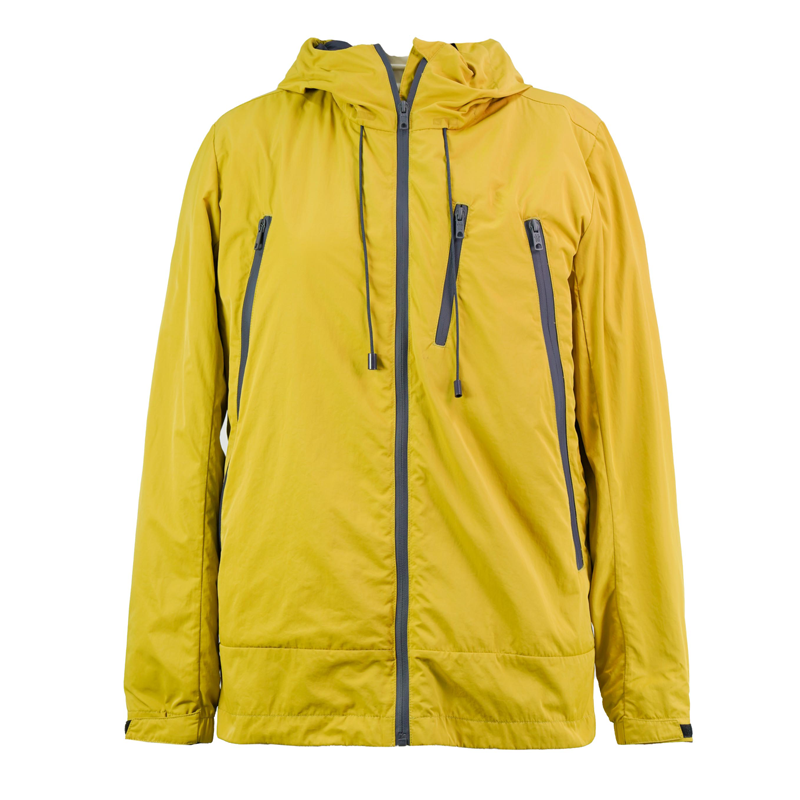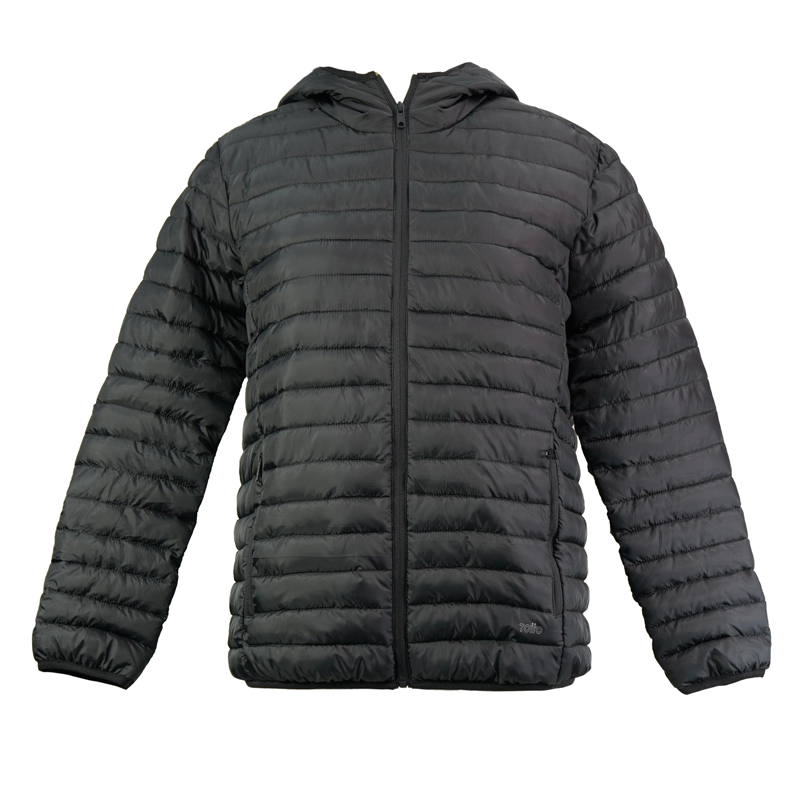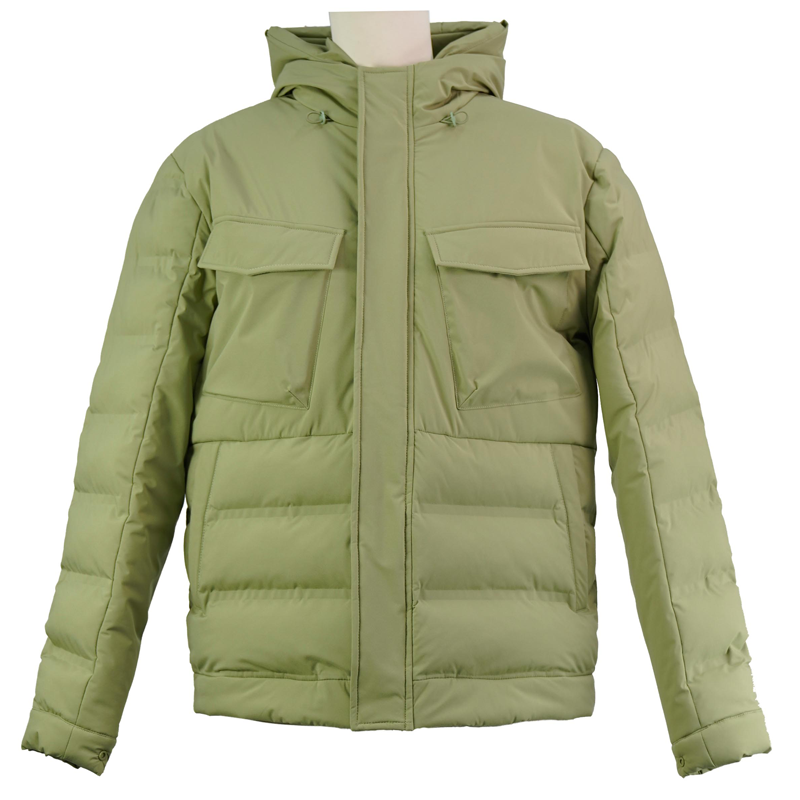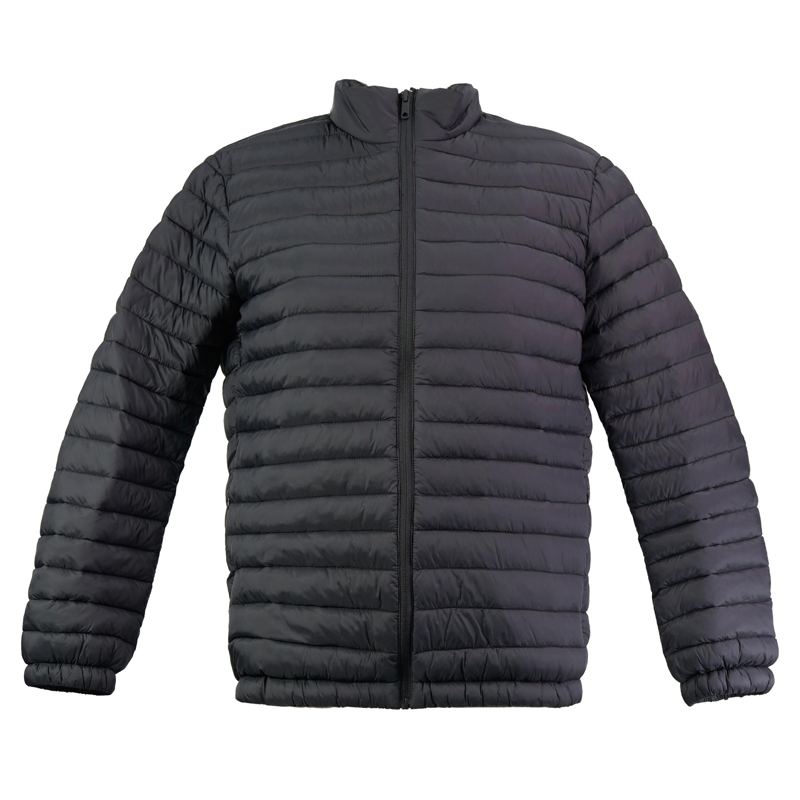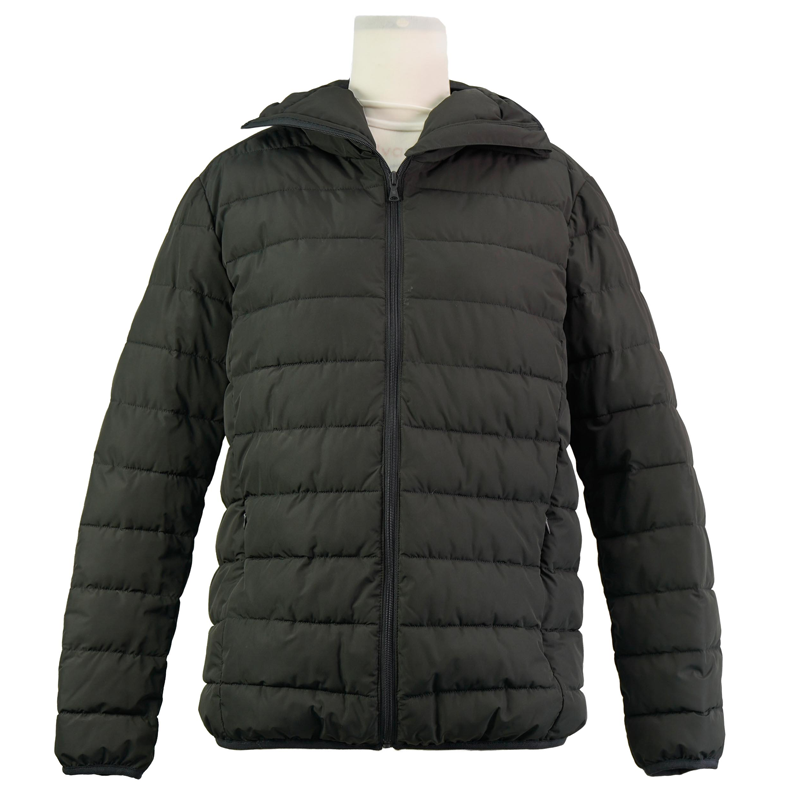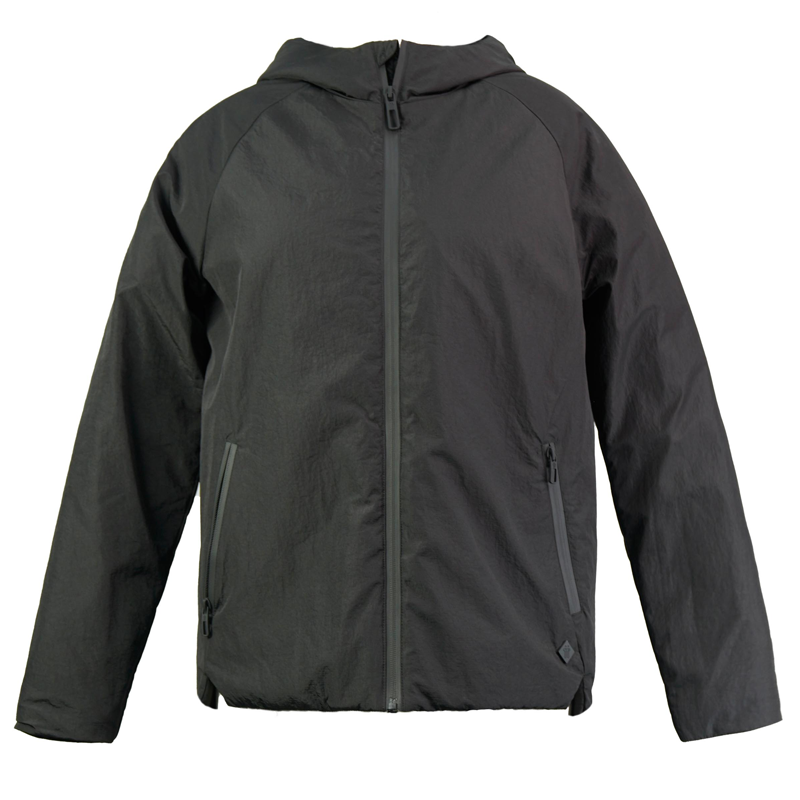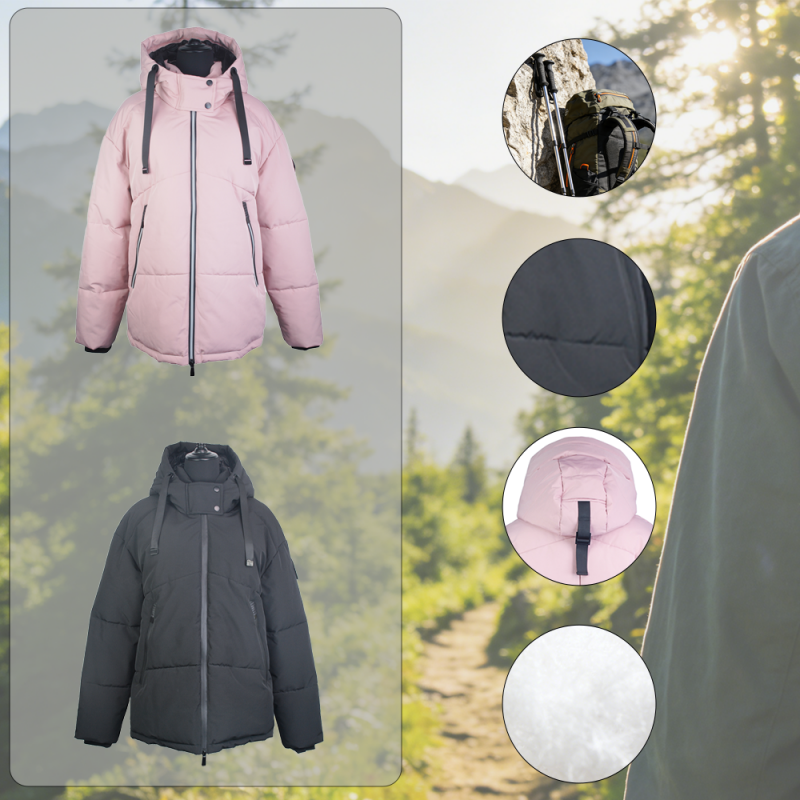
When planning a hiking trip—whether a weekend trek in early spring or a multi-day alpine adventure—the right outerwear can make the difference between comfort and misery. Among all insulation layers, the best down jacket for hiking stands out for its unbeatable warmth-to-weight ratio, compressibility, and versatility.
But not all down jackets are created equal. Fill power, shell fabric, weight, durability, ethical sourcing, and performance in real hiking conditions all matter. This article combines industry research data, comparative tables, and practical hiking experience to help you identify the best down jacket for hiking—and explains why choosing the right manufacturer is just as important as choosing the right design.
Why a Down Jacket Is Essential for Hiking
Hiking exposes the body to constantly changing environments. Even in summer, temperatures can drop sharply at higher elevations or after sunset. A high-quality down jacket serves as:
A thermal mid-layer during cold ascents
A standalone outer layer in dry, cool conditions
An emergency warmth layer during rest stops or unexpected weather changes
Compared with synthetic insulation, down offers superior warmth with significantly less weight, making it ideal for long-distance hiking and backpacking.
What Makes the Best Down Jacket for Hiking?
To determine the best down jacket for hiking, we must evaluate several measurable and performance-based factors.
1. Fill Power: The Core Indicator of Warmth
Fill power (FP) measures how much space one ounce of down occupies. Higher fill power means better insulation efficiency.
| Fill Power Range | Warmth Level | Typical Use Case |
|---|---|---|
| 550–650 FP | Moderate | Casual hiking, urban use |
| 650–750 FP | High | 3-season hiking |
| 800–900 FP | Very High | Alpine & cold-weather hiking |
Research Insight:
According to textile insulation studies, jackets using 800 FP down provide up to 30–35% more thermal efficiency than 650 FP jackets at the same weight.
2. Weight and Packability
Hikers prioritize lightweight gear. The best down jacket for hiking typically weighs 250–450 grams, depending on insulation level.
| Jacket Type | Average Weight | Packed Size |
|---|---|---|
| Lightweight down jacket | 250–300 g | 1–1.5 L |
| Midweight down jacket | 350–450 g | 2–3 L |
| Heavy expedition jacket | 600+ g | 4 L+ |
A compressible jacket that fits easily into a backpack allows hikers to carry warmth without sacrificing space.
3. Shell Fabric and Durability
The shell fabric protects down insulation from abrasion, wind, and moisture.
Key performance metrics:
Denier (D): Common hiking jackets use 10D–30D nylon
Tear strength: Critical for bushwhacking and rugged terrain
Down-proof weaving: Prevents feather leakage
| Fabric Type | Durability | Typical Hiking Use |
|---|---|---|
| 10D Nylon | Ultra-light | Fast & light hiking |
| 20D Nylon | Balanced | All-around hiking |
| 30D Nylon | High durability | Extended or rugged hikes |
4. Water Resistance: A Critical Limitation of Down
Down loses insulation when wet. Modern hiking jackets address this with:
DWR (Durable Water Repellent) coatings
Hydrophobic-treated down
Wind-resistant shell construction
| Condition | Untreated Down | Treated Down |
|---|---|---|
| Light drizzle | Loses ~20% warmth | Loses ~5% warmth |
| High humidity | Significant clumping | Maintains loft |
| Drying time | Slow | 30–40% faster |
For most hiking scenarios, treated down combined with a DWR shell offers sufficient protection.
Best Down Jacket for Hiking by Season
Spring & Autumn Hiking
Ideal fill power: 650–750 FP
Weight: 250–350 g
Focus: Breathability and packability
Summer Alpine Hiking
Ideal fill power: 800 FP
Minimalist design
Used mainly at camp or rest stops
Winter & High-Altitude Hiking
Ideal fill power: 800–900 FP
Heavier insulation zones
Helmet-compatible hood and draft collars
Ethical Down and Sustainability: A Growing Priority
Modern consumers and brands increasingly demand responsible sourcing.
Key certifications:
RDS (Responsible Down Standard)
BSCI
WRAP
| Certification | Focus Area |
|---|---|
| RDS | Animal welfare |
| BSCI | Social compliance |
| WRAP | Ethical manufacturing |
Fit and Design Features That Matter on the Trail
The best down jacket for hiking should be designed specifically for movement.
Essential features include:
Articulated sleeves for trekking poles
Adjustable hood compatible with helmets
Elastic or adjustable cuffs
Two-way front zipper
Secure zippered pockets
| Feature | Hiking Benefit |
|---|---|
| Adjustable hood | Heat retention in wind |
| Drop-tail hem | Lower back warmth |
| Zippered pockets | Secure storage on steep terrain |
Down vs. Synthetic Insulation: A Data Comparison
| Feature | Down Jacket | Synthetic Jacket |
|---|---|---|
| Warmth-to-weight | Excellent | Good |
| Compressibility | Superior | Moderate |
| Longevity | Long-lasting | Shorter lifespan |
| Wet performance | Poor–Moderate | Excellent |
| Best use | Dry, cold hikes | Wet climates |
Conclusion: For most hikers in dry to moderately humid climates, a down jacket remains the best choice.
How to Choose the Best Down Jacket for Hiking: Buyer Checklist
Before purchasing, evaluate:
Intended hiking season and temperature range
Jacket weight vs. insulation level
Fabric durability for terrain
Ethical certifications
Manufacturer reliability and production capacity
Many hikers overlook the importance of who makes the jacket, not just how it looks.
Learn about related products:
Unisex heavy waterproof windproof warmest winter coats on sale for cold weather with hood
Medium weight daily outdoor autumn fake fur best winter jackets womens winter coats on sale
Windproof medium weight jacket mens long coats winter jacket mens for extreme cold
Why Manufacturing Expertise Matters in Down Jackets
A technically sound down jacket requires:
Precise baffle construction
Consistent down distribution
Quality control in stitching and filling
Scalable production without sacrificing quality
Poor manufacturing leads to cold spots, feather leakage, and reduced lifespan—issues that directly affect hiking safety.
Recommended Manufacturer: JIANGSU OVERSEAS FAREAST INDUSTRIAL CO., LTD.
When it comes to producing the best down jacket for hiking, manufacturing capability and experience are as important as materials.
JIANGSU OVERSEAS FAREAST INDUSTRIAL CO., LTD., founded in 2016, is a core subsidiary of JIANGSU OVERSEAS GROUP CO., LTD. (JOC Group) and is a trusted garment and textile import-export enterprise integrating design, R&D, production, and global sales.
Company Strengths at a Glance
| Capability | Details |
|---|---|
| Monthly capacity | 80,000 garments |
| Annual global output | ~10 million pieces |
| Production lines | 10 |
| Technical staff | 400+ professionals |
| Certifications | BSCI, WRAP |
| Global presence | China, Myanmar, Vietnam, Cambodia |
The company operates self-owned factories and overseas production bases with more than 4,000 skilled employees, ensuring stable quality, cost efficiency, and on-time delivery for international clients.
Why Choose JIANGSU OVERSEAS FAREAST for Down Jackets?
Advanced design, sample, and R&D centers in China
Proven experience serving Europe, USA, Australia, and other major markets
Flexible production for custom hiking down jackets
Strong compliance with international ethical standards
Ability to scale from small batches to mass production
By adhering to the philosophy of “integrity, quality, efficiency, and win-win cooperation,” the company continuously develops innovative garment solutions tailored to global outdoor brands.
Final Thoughts: Investing in the Best Down Jacket for Hiking
Choosing the best down jacket for hiking is not only about warmth—it’s about performance, reliability, safety, and long-term value. Data shows that well-designed, ethically produced down jackets outperform cheaper alternatives in durability, comfort, and user satisfaction.
If you are a brand owner, distributor, or outdoor company looking for a trusted manufacturing partner for hiking down jackets, JIANGSU OVERSEAS FAREAST INDUSTRIAL CO., LTD. offers the expertise, capacity, and commitment needed to succeed in today’s competitive outdoor market.
We sincerely invite you to join our growing network of satisfied customers worldwide.
Please feel free to leave us a message—we look forward to working with you.